 Pin
Pin There's something almost meditative about stirring a pot of chili on a quiet afternoon, watching the kitchen fill with the smell of cumin and smoked paprika. My neighbor once told me that chili was the dish that saved her dinner parties because it tasted better the next day, and I thought she'd cracked some kind of code. Turns out she was right, but what I didn't expect was how forgiving this bowl would become, how it could take whatever I had on hand and turn it into something genuinely satisfying. This version came together one October when I decided I wanted comfort food that wouldn't tie me to the stove all evening.
I made this for a group of friends who all arrived tired and hungry, and I remember how quickly the conversation shifted once people started customizing their bowls. Someone added so much cilantro it basically became a salad, another person drowned theirs in sour cream, and I realized that's exactly when food stops being about the recipe and starts being about people taking care of themselves.
Ingredients
- Olive oil: The base that keeps everything from sticking, but honestly it also carries all those spices into the meat and vegetables once they hit the heat.
- Onion and garlic: These two are doing the actual work here, building flavor before anything else even comes into play.
- Bell peppers (red and green): The sweetness from these matters more than you'd think, especially if your tomatoes are on the acidic side.
- Ground beef: Use whatever has the best texture at your store, or swap it for turkey if that's what you prefer, or go plant-based without apology.
- Tomato paste: A tablespoon of this concentrate does more heavy lifting than you'd expect in just one minute of cooking.
- Diced tomatoes: Canned works perfectly here, no need for anything fancier, and the liquid is part of what makes this whole thing work.
- Kidney beans and black beans: The combination gives you different textures and keeps things interesting, plus they're basically free protein.
- Corn kernels: Fresh is lovely if you have it, but frozen or canned works just fine and adds a touch of sweetness that rounds everything out.
- Chili powder, cumin, and smoked paprika: This trio is the actual soul of the dish, so don't skip them or substitute with anything else.
- Oregano, salt, and black pepper: The smaller players that somehow make all the difference when you stop and think about why it tastes right.
- Cayenne pepper: Optional heat that you control completely, adding just a whisper or a shout depending on your mood.
- Beef or vegetable broth: This keeps everything from becoming too thick and pasty while the chili simmers.
- Rice or grains: Cook this separately while the chili does its thing, and choose whatever you usually have around.
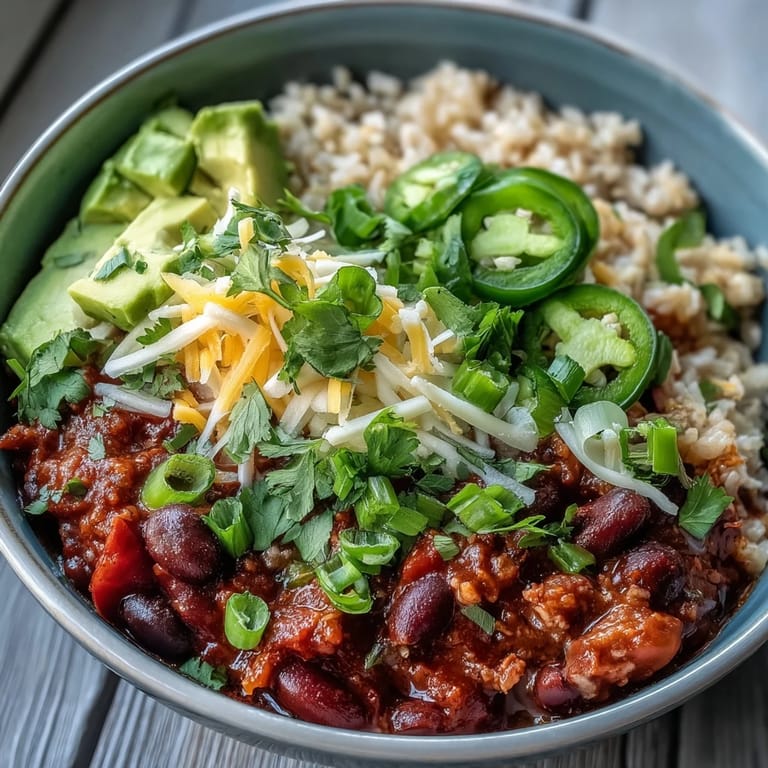
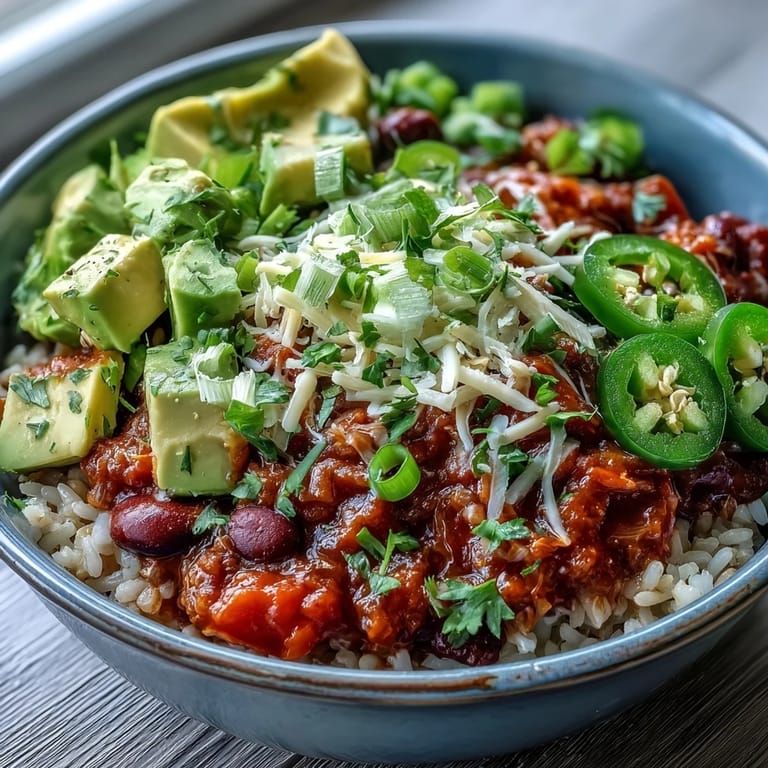
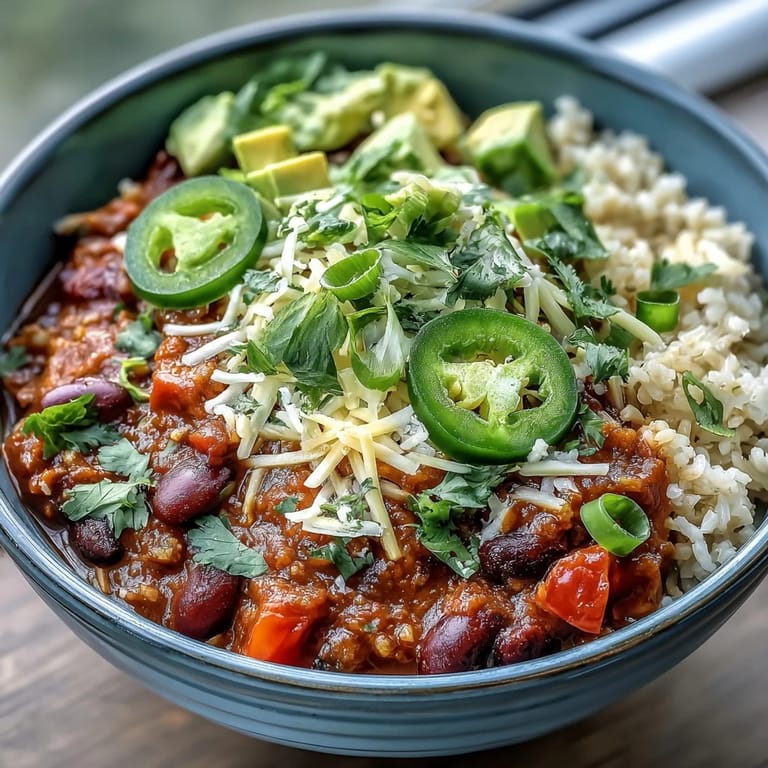
- Toppings: Cheese, sour cream, green onions, cilantro, avocado, and jalapeños give everyone permission to build their own perfect bowl.
Tired of Takeout? 🥡
Get 10 meals you can make faster than delivery arrives. Seriously.
One email. No spam. Unsubscribe anytime.
Instructions
- Start with the aromatics:
- Heat olive oil in your largest pot over medium heat, then add the diced onion and let it soften for a couple of minutes until it goes translucent and smells almost sweet. When you add the garlic and bell peppers next, you'll notice how quickly the whole kitchen changes character.
- Brown the meat:
- Add your ground beef and use a wooden spoon to break it up as it cooks, which usually takes about five minutes until there's no pink left. The meat should look rough and textured, not mushy, and that's when you know you're on the right track.
- Deepen the flavor:
- Stir in tomato paste and let it cook for just one minute while it darkens slightly, which helps it blend into everything instead of sitting there in little pockets. This is a small step that makes a real difference.
- Build the chili:
- Add the diced tomatoes, both types of beans (drained first), corn, and all your spices, then mix until everything is coated in that red, fragrant liquid. The smell at this moment is basically proof that you're cooking something real.
- Let it simmer:
- Pour in the broth, bring the whole pot up to a gentle bubble, then lower the heat and cover it with a lid. Let it sit for about 25 to 30 minutes, stirring occasionally, until the flavors have had time to actually know each other.
- Finish the grains:
- While the chili is doing its thing, cook your rice or grains according to package instructions so everything is ready at the same time. Timing here is less critical than just having both components warm when you want to eat.
- Compose the bowl:
- Spoon a bed of rice into each bowl, ladle chili generously over the top, then hand everyone the toppings so they can go to town. This is the moment where your recipe becomes their meal.
 Pin
Pin There was this one Tuesday when I brought leftover chili for lunch and a coworker asked for the recipe because she was tired of spending her evenings cooking something complicated. I realized then that sometimes the best meals are the ones that don't demand much from you but still manage to feel like you made something worth eating.
Why This Works as a Grain Bowl
The rice or grains act as a gentle buffer that stretches the chili into something more substantial without diluting the flavors you've worked to build. It also gives people who want a lighter portion an easy way to adjust, and it turns what could be a side dish into an actual foundation for the meal.
Playing with Heat Levels
The cayenne pepper is your dial for spice, and I learned this the hard way by adding too much once and watching people reach for yogurt. Start with the quarter teaspoon and taste as you go, remembering that flavors deepen as the chili sits, so what seems mild at first might pack more punch once it's cooled slightly.
Making It Your Own
This recipe is honest enough that it invites changes without falling apart on you, whether you're vegetarian, cooking with what's on sale, or just tired of the usual way you make dinner. I've added dark chocolate, adjusted bean types, swapped meats, and it somehow keeps tasting like home cooking instead of a failed experiment.
- Try a splash of coffee or a square of dark chocolate to deepen the savory notes without making anything taste sweet.
- Experiment with different bean combinations like pinto, cannellini, or even chickpeas if that's what you have.
- Build a toppings station and let people discover their own perfect combination instead of suggesting what goes where.
 Pin
Pin This chili bowl became a regular in my rotation because it proves that simple, honest cooking can feel special without requiring you to do anything complicated. Make it once and you'll find yourself making it again, probably adjusting something small each time until it becomes yours instead of mine.
Recipe Q&A
- → Can I make this chili bowl vegetarian?
Absolutely. Substitute plant-based ground meat for the beef, or simply add an extra can of beans (pinto or great northern work well) to maintain protein and heartiness. The flavor profile remains delicious with either approach.
- → What grains work best for serving?
White and brown rice are classic choices that absorb the flavorful broth beautifully. For more nutritional variety, try quinoa, farro, bulgur, or barley. Each grain brings its own texture and complements the chili differently.
- → How spicy is this dish?
The base version offers mild to medium heat, perfect for most palates. The cayenne pepper provides optional warmth, while the chili powder contributes flavor without excessive fire. Adjust both to suit your taste—add more for intensity or omit for a milder bowl.
- → Can I freeze leftovers?
This chili freezes exceptionally well. Cool completely, then store in airtight containers for up to 3 months. Thaw overnight in the refrigerator and reheat gently on the stove, adding a splash of broth if needed. Prepare fresh grains when serving for the best texture.
- → What other toppings work well?
Beyond the classic suggestions, try crushed tortilla chips for crunch, pickled red onions for tang, hot sauce for extra kick, or a dollop of guacamole for richness. A squeeze of fresh lime brightens all the flavors beautifully.