 Pin
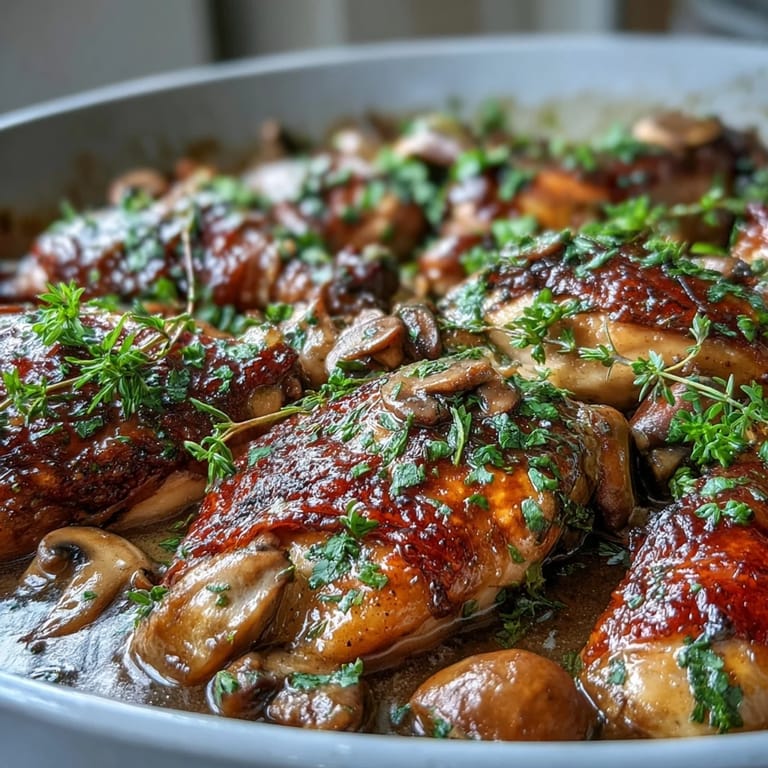
Pin The first time I opened a bottle of rosé for braising instead of drinking, my neighbor looked at me like I'd lost my mind. But that pale pink wine turned into something magical in the pot, staining the chicken a soft blush and filling the kitchen with a scent that was somehow both bright and deeply comforting. I'd been intimidated by coq au vin for years, thinking it required red wine and a degree from Le Cordon Bleu. This version taught me that elegance doesn't have to be heavy, and that sometimes the best cooking happens when you break the rules a little.
I made this for a small dinner party on a warm April evening when red wine felt too heavy and plain roast chicken felt too boring. My friend Claire, who usually picks at her food, went back for seconds and asked if she could take the leftover sauce home in a jar. Watching everyone mop up their plates with bread while the windows were open and spring air drifted in, I realized this dish had become my bridge between seasons.
Ingredients
- Bone-in, skin-on chicken pieces: The bones add richness to the sauce and the skin crisps beautifully during browning, so don't skip either even if it seems fussy.
- Dry rosé wine: Choose something you'd actually enjoy drinking, not cooking wine from a dusty bottle, because its flavor will concentrate and shine through.
- Olive oil: A fruity olive oil complements the rosé, but any good quality oil works for browning the chicken evenly.
- Onion, garlic, carrots, leek: This aromatic base builds sweetness and depth, and the leek adds a gentle oniony note that doesn't overpower the delicate wine.
- Cremini or button mushrooms: Quartered mushrooms soak up the sauce and add an earthy contrast to the bright acidity of the rosé.
- Tomato paste: Just two tablespoons deepen the color and add a subtle umami backbone without making it taste like tomato.
- All-purpose flour: Optional, but a light dusting helps thicken the sauce into something that clings to the chicken instead of pooling.
- Heavy cream: This is what transforms the braising liquid into a luscious, glossy sauce that coats the back of a spoon.
- Bay leaf, thyme, rosemary: Classic French herbs that perfume the pot, but remember to fish them out before serving or someone will get a mouthful of twig.
- Fresh parsley: A handful of chopped parsley at the end adds color and a fresh, grassy note that wakes everything up.
Tired of Takeout? 🥡
Get 10 meals you can make faster than delivery arrives. Seriously.
One email. No spam. Unsubscribe anytime.
Instructions
- Season and Prep the Chicken:
- Pat each piece completely dry with paper towels so the skin can brown properly, then season generously with salt and pepper on both sides. Wet chicken will steam instead of sear, and you'll miss out on all those lovely browned bits that flavor the sauce.
- Brown the Chicken:
- Heat olive oil in your Dutch oven until it shimmers, then add chicken skin-side down without crowding the pot, working in batches if needed. Let each piece sit undisturbed for about 5 minutes until the skin releases easily and turns golden brown, then flip and repeat.
- Sauté the Aromatics:
- In the same pot with all those flavorful drippings, add onions, carrots, and leek, stirring occasionally until they soften and start to smell sweet. Toss in the mushrooms and let them cook until they release their moisture and begin to brown at the edges.
- Build the Flavor Base:
- Stir in the garlic and let it bloom for a minute until fragrant, then add tomato paste and cook it down for another minute, stirring constantly so it caramelizes without burning. If using flour, sprinkle it over the vegetables now and stir to coat everything evenly.
- Deglaze with Rosé:
- Pour in the rosé wine and use a wooden spoon to scrape up all the browned bits stuck to the bottom of the pot, because that's where the magic lives. Nestle the browned chicken back into the pot along with any juices, then tuck in the bay leaf, thyme, and rosemary.
- Braise Until Tender:
- Bring everything to a gentle simmer, cover the pot, and reduce the heat to low so it barely bubbles. Let it cook for 45 minutes, resisting the urge to peek too often, until the chicken is so tender it almost falls off the bone.
- Finish with Cream:
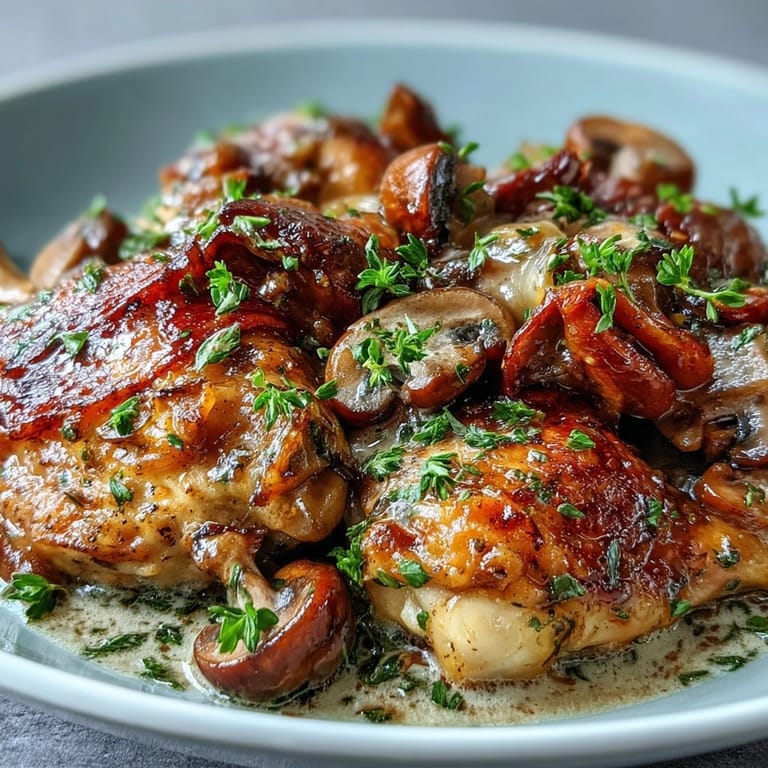
- Fish out the herb sprigs and bay leaf, then stir in the heavy cream and let the sauce simmer uncovered for 5 to 10 minutes. It should thicken slightly and turn glossy, coating the chicken in a pale pink embrace.
- Serve and Garnish:
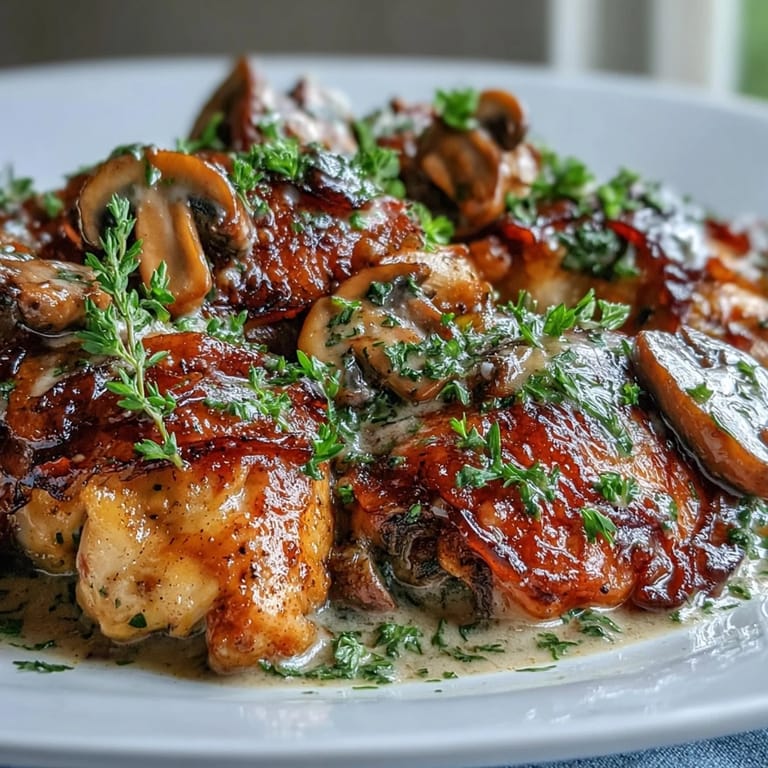
- Taste the sauce and adjust the seasoning, adding more salt or a crack of pepper if needed. Spoon the chicken and vegetables onto plates, ladle over plenty of sauce, and scatter fresh parsley on top.
 Pin
Pin One Sunday, I served this with a pile of buttery boiled potatoes and watched my dad, who claims he only likes red wine dishes, go completely quiet as he ate. He looked up after his third bite and said it reminded him of a bistro in Provence he visited decades ago. I'd never been to that bistro, but somehow the rosé and cream had carried him back there, and that's when I understood that food can be a time machine if you let it.
Choosing Your Rosé
Not all rosé wines are created equal when it comes to cooking. Look for a dry rosé, not the sweet blush wines from the back of the shelf, because sugar will throw off the balance of the sauce. I usually grab a Provence-style rosé or a dry Spanish rosado, something crisp and not too fruity. If you're standing in the wine aisle unsure, pick a bottle you'd happily pour into a glass, because cooking concentrates flavors and a bad wine will only get worse in the pot.
Serving Suggestions
This dish begs for something to soak up that glossy, creamy sauce. Buttered new potatoes are my favorite, their waxy texture perfect for catching every drop, but crusty bread torn into rough pieces works beautifully too. I've also served it over wide egg noodles or a mound of fluffy white rice when I wanted something more substantial. A simple green salad with a sharp vinaigrette on the side cuts through the richness and makes the whole meal feel balanced and complete.
Storage and Make-Ahead Tips
This is one of those rare dishes that actually improves after a night in the fridge, the flavors melding and deepening while you sleep. Let it cool completely before transferring to an airtight container, and it'll keep for up to three days. Reheat gently on the stovetop over low heat, adding a splash of chicken stock or water if the sauce has thickened too much. I've even frozen it successfully, though the cream can sometimes separate slightly, so give it a good stir as it reheats and it'll come back together.
- Cool the dish completely before refrigerating to avoid condensation that can water down the sauce.
- Reheat slowly and gently to keep the chicken tender and prevent the cream from breaking.
- Garnish with fresh parsley only after reheating, never before storing, so it stays bright and green.
 Pin
Pin Every time I make this, I'm reminded that the best recipes are the ones that don't demand perfection, just a little attention and a willingness to let the pot do the work. May your kitchen smell like a French bistro and your table be full of people who lick their plates clean.
Recipe Q&A
- → Can I use white wine instead of rosé?
Yes, you can substitute with a dry white wine, though the dish will lose some of its delicate pink hue and subtle fruity notes that rosé provides.
- → What cuts of chicken work best?
Bone-in, skin-on thighs and drumsticks are ideal as they remain moist and tender during the long braising process. Breast meat can dry out.
- → How do I thicken the sauce if it's too thin?
Simmer uncovered for a few extra minutes to reduce, or mix a teaspoon of cornstarch with cold water and stir into the simmering sauce until desired consistency.
- → Can this be made ahead of time?
Absolutely. The flavors actually improve overnight. Prepare fully, cool, refrigerate, then gently reheat on the stovetop before serving.
- → What's the best way to serve this dish?
Serve in shallow bowls with plenty of sauce, alongside buttered new potatoes, mashed potatoes, rice, or crusty French bread to soak up the creamy wine sauce.
- → Is there a dairy-free alternative?
You can use coconut cream or cashew cream as a substitute for heavy cream, though the flavor profile will change slightly.