 Pin
Pin My neighbor tossed this salad together one afternoon while we were chatting on her porch, and I watched in real time as she transformed a handful of pantry basics into something that tasted like it came from a restaurant. The celery snapped between my teeth, the ginger sang in the dressing, and I realized right then that the best meals don't always require hours or complexity. She made it look so effortless that I went home and made it three times that week, each time discovering something new about how the flavors worked together.
I made this for a picnic last summer, and it was the only dish that came home empty—not because it was left over, but because people kept sneaking bites straight from the serving bowl when they thought I wasn't looking. There's something about the combination of textures and that bold, aromatic dressing that makes people forget their manners and just eat with their hands. My friend Sarah asked for the recipe before we even packed up the blanket.
Ingredients
- Celery: Choose stalks that are pale and crisp, never the dark outer ones that taste like dirt; slicing on the diagonal exposes more surface area and makes them less stringy.
- Red bell pepper: The sweetness balances the sharpness of the ginger, and the color makes the whole thing look alive on a plate.
- Scallions: Use both the white and green parts for a layered onion flavor that doesn't overpower.
- Carrot: Optional but worth it for the natural sweetness and a pop of orange.
- Roasted unsalted peanuts: Roasted brings out the depth, and unsalted means you control the flavors without fighting salt overload.
- Sesame seeds: Toast them yourself if you have time, or buy them already toasted; they add a nutty richness that feels intentional.
- Fresh cilantro: Don't skip this—it's what separates this from feeling generic and gives it that fresh, grassy brightness.
- Soy sauce: Use tamari if gluten matters to you; the flavor is actually smoother and less harsh.
- Rice vinegar: Gentler than white vinegar, it lifts without overwhelming the delicate vegetables.
- Toasted sesame oil: A little goes a long way; this is where the aromatics come from and why the whole thing smells like a proper meal.
- Honey or maple syrup: One tablespoon dissolves into the dressing and adds just enough sweetness to make the ginger feel welcome instead of aggressive.
- Fresh ginger: Grate it just before mixing so it doesn't lose its bite to oxidation; this is the soul of the dressing.
- Garlic: One small clove, minced fine, adds savory depth without making your breath permanent.
- Lime juice: Squeeze it fresh; bottled tastes like metal and regret.
- Chili flakes: Optional but recommended if you like a whisper of heat that doesn't announce itself.
Tired of Takeout? 🥡
Get 10 meals you can make faster than delivery arrives. Seriously.
One email. No spam. Unsubscribe anytime.
Instructions
- Prep all your vegetables first:
- Line up your celery, pepper, scallions, and carrot on a cutting board and slice through them with intention. There's a rhythm to knife work that becomes meditative if you slow down and actually look at what you're doing.
- Combine vegetables and herbs:
- Toss everything into a large bowl and give it a gentle mix so the cilantro gets evenly distributed. Don't crush anything yet; you want that crunch intact.
- Build the dressing:
- In a small bowl or jar, combine soy sauce, rice vinegar, sesame oil, honey, and lime juice, then add the ginger and garlic you've prepped. Whisk or shake until it looks slightly emulsified and smells like you know what you're doing in the kitchen.
- Dress and toss:
- Pour the dressing over the vegetables and toss everything together until every piece glistens. The vegetables will start to soften slightly, which is fine—you're not trying to pickle them, just coat them in flavor.
- Add the peanuts and sesame seeds:
- Fold these in gently at the last second so they stay crunchy and don't absorb too much moisture. If you're eating right away, keep a handful back to sprinkle on top just before serving.
- Taste and adjust:
- Take a bite and think about what's missing—more lime juice, more salt, more heat. This is your salad, and the dressing is flexible enough to bend to your preferences.
- Serve or chill:
- Eat immediately while everything is still snappy, or let it sit for 10 minutes if you want the flavors to marry. Don't wait much longer than that or the celery starts to feel apologetic.
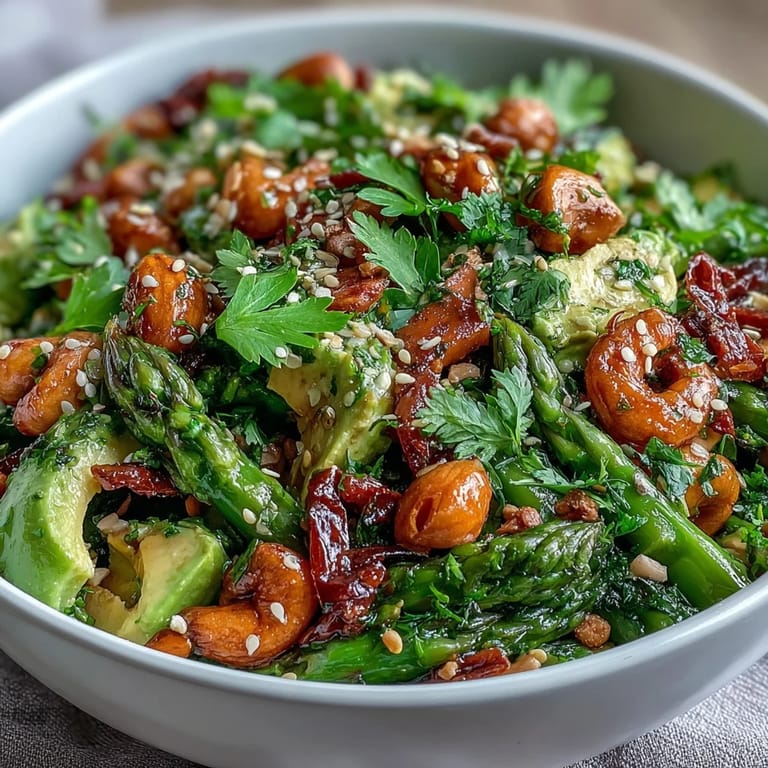 Pin
Pin I brought this to a potluck where someone had made a heavy pasta bake, and watching people pivot from that carb-loaded side dish to my light, crunchy salad felt like a small victory. One woman asked if it was a restaurant recipe, and I loved being able to say no, it was just something I figured out at home. That's when I knew it had crossed over from being just a good salad to being something I'd make again and again.
The Magic of Texture Contrast
This salad lives or dies by the interplay between soft and hard, and once you understand that, you'll start seeing it everywhere in cooking. The celery's snappy bite against the creamy density of peanuts, with cilantro adding an herbal lightness and sesame oil bringing a warm, almost buttery note—it's a conversation happening on your tongue. When I started thinking about salads this way, everything I made got better because I was no longer just throwing ingredients together; I was composing something intentional.
Dressing Ratios and Why They Matter
The dressing uses a three-to-one ratio of flavoring agents to fat, which means you're getting boldness without greasiness. This is worth knowing because once you understand it, you can apply it to every dressing you ever make, and suddenly you're not following recipes anymore, you're building them. The ginger and soy are the loudest voices, the sesame oil is the translator that makes them work together, and the honey is the peacekeeper that keeps everything from feeling aggressive.
Why This Works as a Meal, Not Just a Side
Some salads are apologies for not cooking; this one is a complete thought. The protein from the peanuts, the carbs from the vegetables, the healthy fats from the sesame oil—it's balanced enough that you don't need anything else unless you want it. If you're looking to make it more substantial, add shredded rotisserie chicken or some crispy tofu cubes, but honestly, it doesn't need the help.
- Serve it cold for a refreshing lunch or let it sit at room temperature for a casual dinner with friends.
- Pair it with something crispy like fried rice cakes or sesame crackers if you want to lean into the texture game even more.
- Keep the dressing separate if you're making this ahead, and dress it just before eating to preserve that crucial crunch.
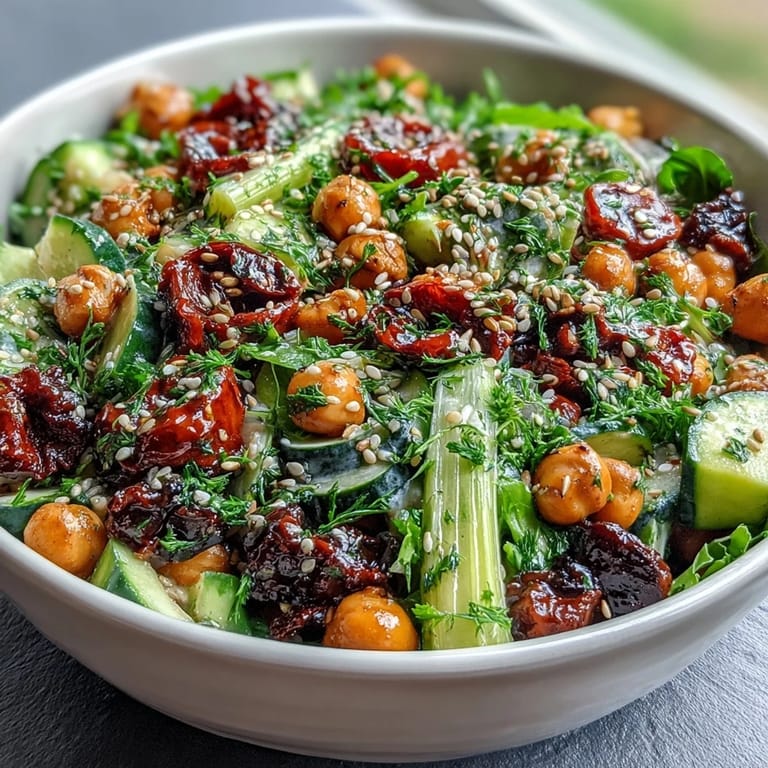 Pin
Pin This salad taught me that sometimes the best dishes are the ones that don't try too hard, that let their ingredients speak clearly and trust the cook enough to taste and adjust. It's become my go-to when I want something that feels special but doesn't exhaust me, which I think is the truest definition of a recipe worth keeping.
Recipe Q&A
- → What makes this salad crunchy?
The combination of thinly sliced celery, chopped roasted peanuts, and sesame seeds creates a satisfying crunch in every bite.
- → Can I substitute peanuts for other nuts?
Yes, cashews or almonds can be used as alternatives to peanuts to vary the texture and flavor.
- → Is this salad suitable for gluten-free diets?
Using tamari in place of soy sauce ensures the dressing remains gluten-free.
- → How long should the salad rest before serving?
It’s best served immediately for maximum crunch, but chilling for 10 minutes allows flavors to meld nicely.
- → Can I add protein to make it more filling?
Yes, shredded cooked chicken or tofu can be added for a heartier dish.