 Pin
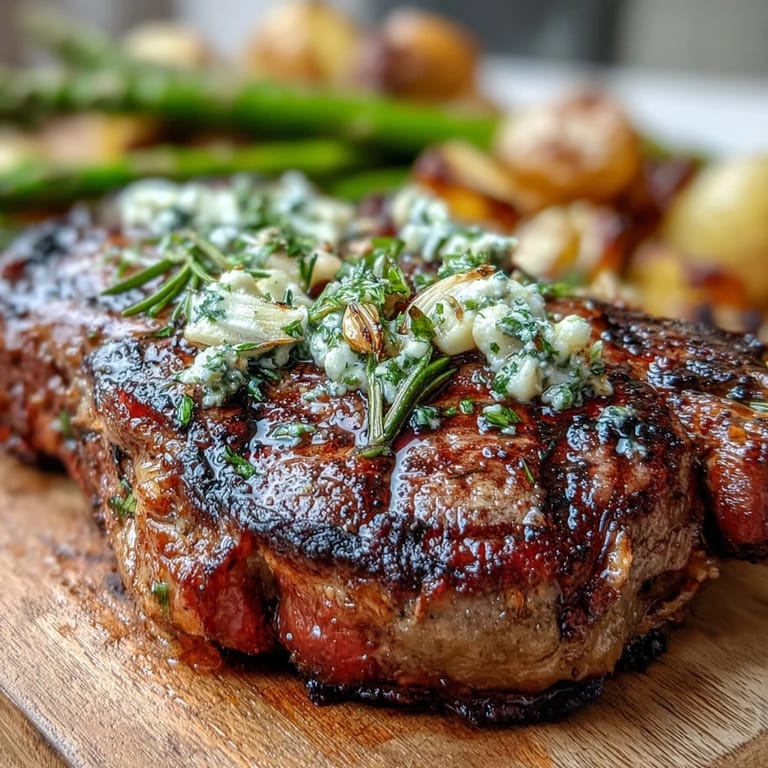
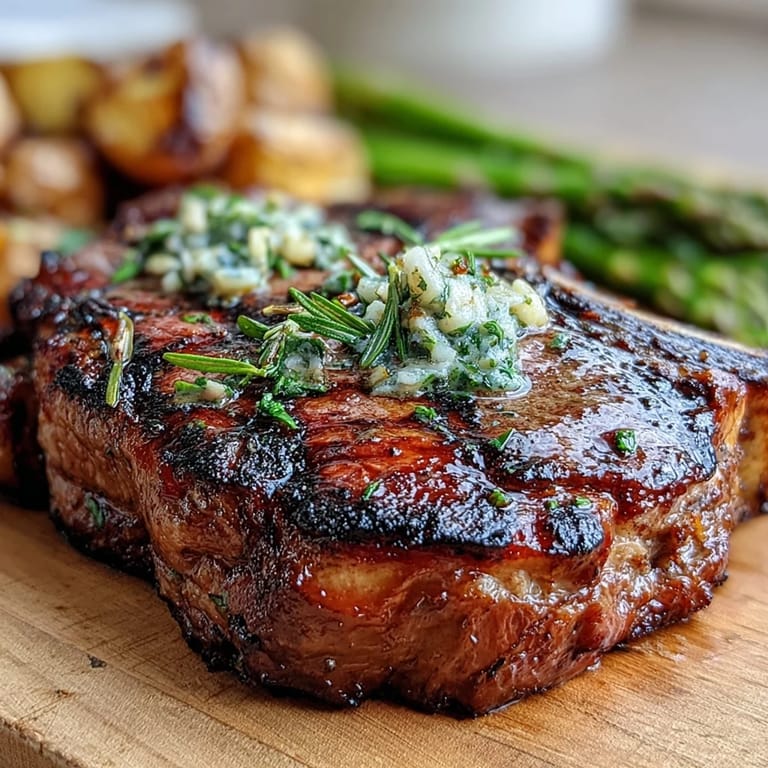
Pin The sizzle hit before the smoke did. I was standing barefoot on the deck, tongs in one hand, wine in the other, watching two massive rib eyes settle onto the grate. My neighbor leaned over the fence and said something about how good it smelled, but I was already lost in that perfect char forming along the edges. Cooking a bone-in rib eye isn't complicated, but it demands your full attention for those few minutes when everything matters.
I made this for my brother's birthday last summer, and he still brings it up. He's not someone who gushes about food, but halfway through that steak he looked up and just nodded. The asparagus had those dark grill marks, the potatoes were glossy with butter, and the whole table went quiet for a few minutes. Sometimes a meal doesn't need conversation to say everything.
Ingredients
- Bone-in rib eye steaks: The bone isn't just for show, it insulates the meat and adds a deeper, richer flavor as it cooks.
- Olive oil: Helps the seasoning stick and creates that beautiful crust without any flare-ups.
- Kosher salt: Coarse salt clings better and seasons more evenly than table salt, which can make things too salty too fast.
- Freshly ground black pepper: Crack it yourself right before cooking, the difference in aroma is worth the extra ten seconds.
- Fresh rosemary: Toss it on the steak while it grills and the heat releases all that piney, woodsy fragrance.
- Garlic cloves, smashed: Smashing them releases their oils without burning, and they perfume the meat as it rests.
- Baby potatoes: They cook quickly and their thin skins hold up well when tossed with butter.
- Unsalted butter: Gives you control over the salt level and makes the potatoes taste indulgent.
- Fresh parsley: A handful of this brightens everything and cuts through the richness.
- Asparagus: Grills beautifully and brings a slight bitterness that balances the steak's fat.
- Lemon wedges: A squeeze over the asparagus or even the steak at the end wakes up all the flavors.
Tired of Takeout? 🥡
Get 10 meals you can make faster than delivery arrives. Seriously.
One email. No spam. Unsubscribe anytime.
Instructions
- Bring the steaks to room temperature:
- Pull them out of the fridge 30 minutes before you start. Pat them completely dry with paper towels, then rub them all over with olive oil, salt, and pepper until they glisten.
- Get the grill screaming hot:
- You want it between 450 and 500 degrees. If you hold your hand a few inches above the grate and can only last two seconds, you're ready.
- Grill the steaks:
- Lay them down and resist the urge to move them. Add the rosemary and smashed garlic right on top, then flip after 4 to 5 minutes for medium rare, or longer if you prefer.
- Let them rest:
- Tent loosely with foil and wait a full 8 minutes. This is when all the juices redistribute and the steak becomes impossibly tender.
- Boil the potatoes:
- Drop the halved baby potatoes into salted boiling water and cook until a fork slides through easily, about 10 to 12 minutes. Drain and toss immediately with butter and parsley while they're still steaming.
- Grill the asparagus:
- Toss with olive oil, salt, and pepper, then throw them on the grill during the last 5 minutes of cooking the steak. Turn once and pull them when they're tender with a few char marks.
- Plate and serve:
- Arrange everything on a big platter with lemon wedges on the side. Let people squeeze their own citrus and dig in while it's all still hot.
 Pin
Pin The first time I nailed this, I realized it wasn't about technique or expensive equipment. It was about paying attention to the small things like when to flip, when to pull, when to just step back and let the heat do its job. That's when cooking stopped feeling stressful and started feeling like a conversation with the food.
Choosing Your Steak
Look for steaks with good marbling, those white streaks of fat running through the meat. They should be at least an inch and a half thick or they'll cook too fast and dry out. If the butcher offers to cut them fresh, say yes. A steak that's been sitting under plastic for days won't have the same deep red color or clean smell.
Getting the Timing Right
Start your potatoes first since they take the longest. While they're boiling, prep your asparagus and get the grill hot. The steaks go on last and rest while you finish plating the sides. Everything should hit the table within a minute or two of each other, still warm and ready to eat. I used to stress about coordinating it all, but once you do it twice it becomes second nature.
Serving and Pairing
This is the kind of meal that doesn't need much else. A simple green salad beforehand, maybe some crusty bread if you're feeling it. Pour something bold, a Cabernet or a Malbec, something that can stand up to all that char and fat.
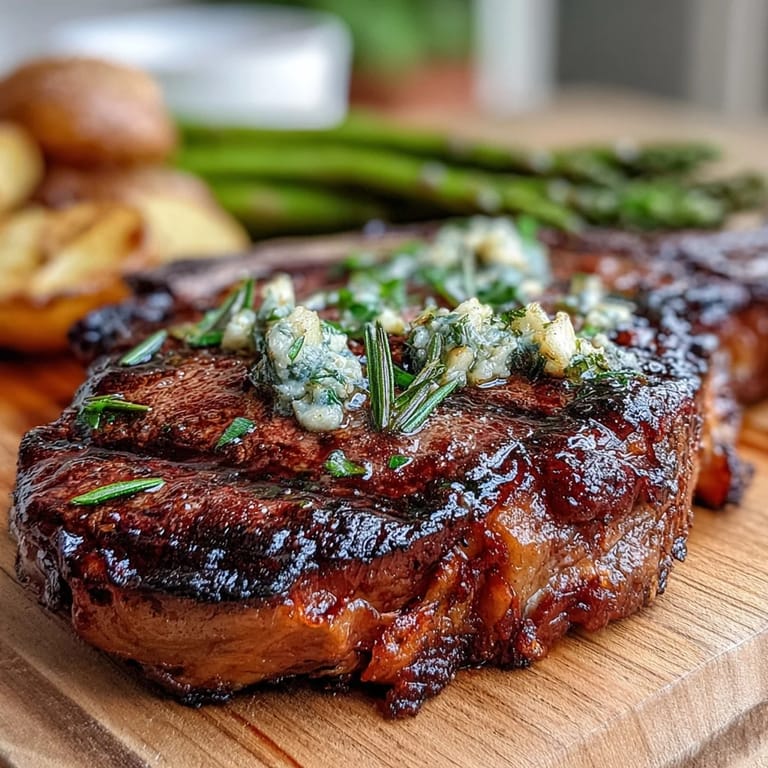
- Serve on a wooden board or a big white platter so the colors really pop.
- Offer flaky sea salt at the table for anyone who wants an extra hit of crunch and flavor.
- Leftover steak makes an incredible sandwich the next day, sliced thin on sourdough with arugula and horseradish.
 Pin
Pin There's something deeply satisfying about putting a perfectly grilled steak in front of someone and watching their face change. Make this once and you'll want to make it again.
Recipe Q&A
- → How do I know when the rib eye is cooked to medium-rare?
Grill the steak for 4-5 minutes per side at high heat, then use a meat thermometer to check for an internal temperature of 130-135°F (54-57°C). The steak will continue cooking during the resting period.
- → Why is it important to let the steak rest after grilling?
Resting for 8 minutes allows the juices to redistribute throughout the meat, ensuring a moist and tender bite. Cutting immediately would cause all the flavorful juices to run out onto the plate.
- → Can I cook this indoors without a grill?
Yes, use a cast-iron grill pan or heavy skillet over high heat. Sear the steaks for the same amount of time, and finish in a 400°F (200°C) oven if needed to reach desired doneness.
- → What vegetables can I substitute for asparagus?
Green beans, broccolini, or zucchini work beautifully as alternatives. Adjust grilling time based on the vegetable's thickness—thinner vegetables may need only 3-4 minutes.
- → How thick should the rib eye steaks be for best results?
The 1.5-inch thickness is ideal for achieving a perfect sear while maintaining a juicy interior. Thinner steaks may overcook quickly, while thicker cuts may need additional cooking time or indirect heat.
- → What wine pairs best with this bone-in rib eye?
A bold Cabernet Sauvignon or Malbec complements the rich, beefy flavor perfectly. The tannins in these red wines balance the fat content of the rib eye beautifully.