 Pin
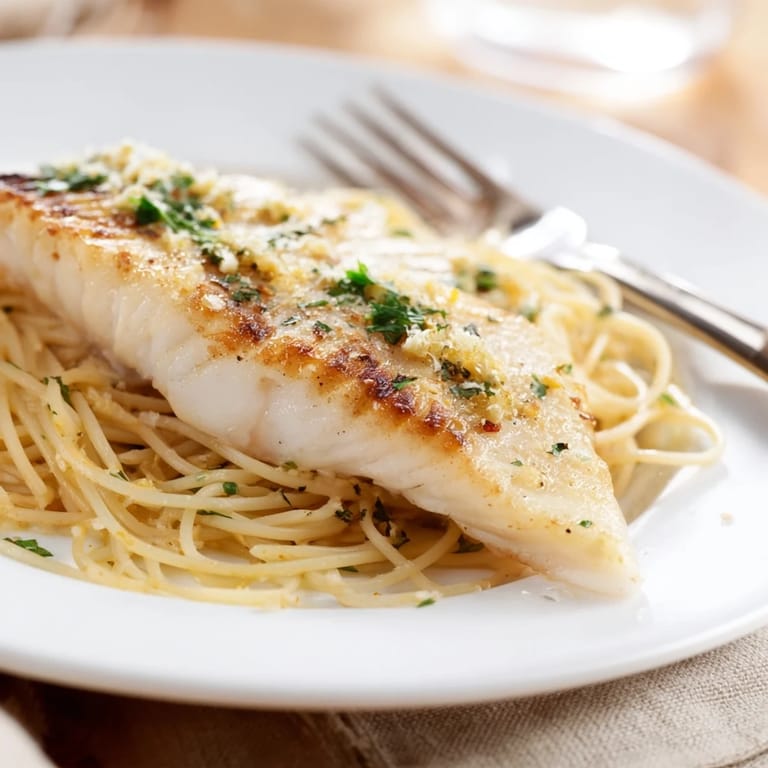
Pin The smell of lemon and garlic hitting hot butter is what sold me on this dish before I even tasted it. I was trying to use up some beautiful sea bass I'd grabbed on a whim at the market, and pasta seemed like the easiest route. What started as a weeknight experiment turned into something I now make whenever I want to feel like I'm dining somewhere coastal, even though I'm miles from any ocean. The brightness of the lemon against the mild, flaky fish just works in a way that feels both simple and a little indulgent.
I made this for a small dinner party once, and everyone kept asking if I'd taken a cooking class. The truth is, I just learned to let the lemon do the talking. One friend even scraped her plate clean and asked for the recipe on the spot, which is the highest compliment I've ever received in my tiny kitchen. It's become my go to whenever I want to impress without the stress.
Ingredients
- White fish fillets: Sea bass or cod work beautifully here because they stay tender and don't fall apart on the grill, plus their mild flavor lets the lemon shine.
- Spaghetti or linguine: Long pasta is key since it tangles perfectly with the buttery sauce and twirls around your fork with the fish.
- Lemon zest and juice: This is the heart of the dish, bringing brightness and acidity that cuts through the richness of butter and cheese.
- Garlic: Just enough to add warmth without overpowering the delicate fish, and it smells incredible when it hits the pan.
- Fresh parsley: Adds a pop of color and a light herbal note that makes the whole plate feel alive.
- Parmesan cheese: A little goes a long way, adding savory depth and helping the sauce cling to the noodles.
- Butter and olive oil: The combination creates a silky, glossy sauce that coats everything without feeling greasy.
- Pasta water: The starchy liquid is the secret to a sauce that actually sticks instead of pooling at the bottom of the bowl.
Tired of Takeout? 🥡
Get 10 meals you can make faster than delivery arrives. Seriously.
One email. No spam. Unsubscribe anytime.
Instructions
- Boil the pasta:
- Get your salted water rolling and cook the spaghetti until it still has a little bite, then save some of that starchy water before draining. This water is liquid gold for building your sauce later.
- Prep and grill the fish:
- Pat the fillets dry so they sear nicely, then rub them with olive oil, salt, pepper, and lemon zest before grilling for 3 to 4 minutes per side until they flake easily. Keep them warm under foil while you finish the pasta.
- Start the sauce:
- Melt butter with olive oil in a large skillet, then add the garlic and let it sizzle for a minute until it smells amazing but hasn't browned. This is where the magic starts.
- Add lemon and pasta:
- Stir in the lemon zest and juice, then toss in the drained pasta and a splash of pasta water, stirring until everything is glossy and coated. Add more water if it looks dry.
- Finish and serve:
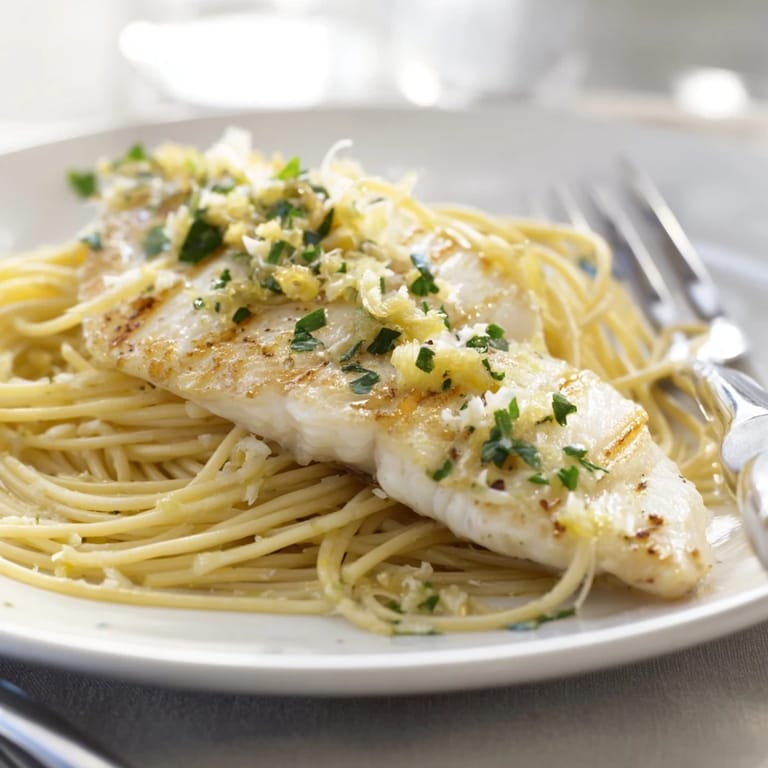
- Toss in the parsley and Parmesan, taste for seasoning, then divide the pasta among plates and top each with a grilled fillet. Garnish with lemon wedges and extra parsley, then serve right away while it's hot.
 Pin
Pin The first time I served this, my partner took one bite and said it tasted like vacation. I'm not sure if it was the lemon or the fact that we were eating something other than takeout, but it stuck. Now whenever we make it, we pour a cold white wine and pretend we're somewhere with an ocean view, even if it's just Tuesday.
Choosing Your Fish
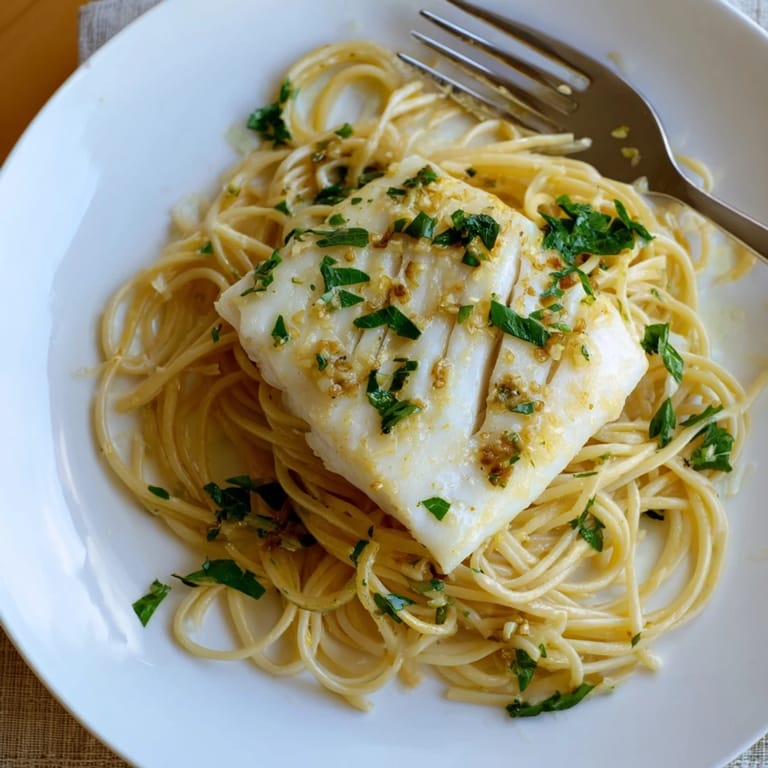
Sea bass is traditional and luxurious, but cod, halibut, or even tilapia work if that's what's fresh at your market. The key is choosing something mild and firm enough to hold up on the grill without falling apart. I've learned to ask the fishmonger what came in that morning and go with that, because freshness matters more than the exact species. If your fillet has skin, you can leave it on for extra flavor and crispiness, just make sure to oil it well.
Making It Your Own
This recipe is forgiving and loves a little improvisation based on what you have around. A handful of cherry tomatoes tossed in with the garlic adds sweetness and color, or you can throw in some capers for a briny punch. I've also added a pinch of red pepper flakes when I want a little heat, and it plays nicely with the lemon. If you're out of parsley, basil or dill work beautifully too, each bringing their own personality to the plate.
Storing and Reheating
This dish is best enjoyed fresh, but leftovers can be stored in an airtight container in the fridge for up to two days. The pasta will soak up some of the sauce as it sits, so when you reheat it, add a splash of water or broth to bring it back to life. I usually reheat the fish separately in a low oven so it doesn't dry out, then place it on top of the warmed pasta.
- Reheat pasta gently in a skillet with a little water or butter to revive the sauce.
- Warm the fish in a 300°F oven for about 8 minutes, covered with foil.
- Don't microwave the fish unless you're okay with it losing some of its texture and moisture.
 Pin
Pin This dish has a way of turning an ordinary evening into something worth remembering, and that's the kind of cooking I love most. I hope it brings a little brightness to your table, too.
Recipe Q&A
- → What white fish works best for this dish?
Sea bass, cod, halibut, or flounder all work wonderfully. Choose firm white fish fillets that hold up well to grilling. Fresh, skinless fillets deliver the best results.
- → Can I cook the fish indoors instead of grilling?
Absolutely. Heat a grill pan or skillet over medium-high heat and cook the seasoned fillets 3-4 minutes per side until opaque and flaky. Pan-searing creates a beautiful golden crust.
- → How do I prevent the pasta from sticking?
Ensure pasta water boils vigorously before adding spaghetti and stir occasionally during cooking. Don't rinse the pasta after draining—the starch helps the sauce cling to noodles beautifully.
- → What if I don't have fresh lemon?
Fresh lemon is essential for the bright, zesty flavor. However, bottled lemon juice works in a pinch. Use slightly less as it's more concentrated. Adjust seasoning to taste.
- → Can I make this dish ahead?
Prepare components separately: cook pasta and chill, grill fish and refrigerate, and make sauce fresh before serving. Combine just before plating for best texture and flavor.
- → How do I modify this for dietary restrictions?
For gluten-free, use gluten-free pasta. For dairy-free, substitute plant-based butter and omit Parmesan. The dish remains delicious with these simple swaps while maintaining authentic flavors.