 Pin
Pin There's something about setting down three perfect ingredients on a board and watching people's faces light up that never gets old. The first time I put together this trio—aged Comté, Jamón Ibérico, and Castelvetrano olives—I wasn't trying to impress anyone. I just wanted to taste each thing without distraction, the way it deserved to be tasted. What surprised me was how much that simplicity became the whole point. No fussy arrangements or overcrowding, just three things so good they didn't need anything else.
I remember a quiet evening when my friend brought good wine and I threw this together almost apologetically, like it wasn't fancy enough. She spent forty minutes picking at each section, pairing different combinations, and by the end she was asking for the recipe like I'd just revealed a secret. That's when I realized that restraint can be more generous than abundance—you're actually inviting someone to taste something, not just feeding them.
Ingredients
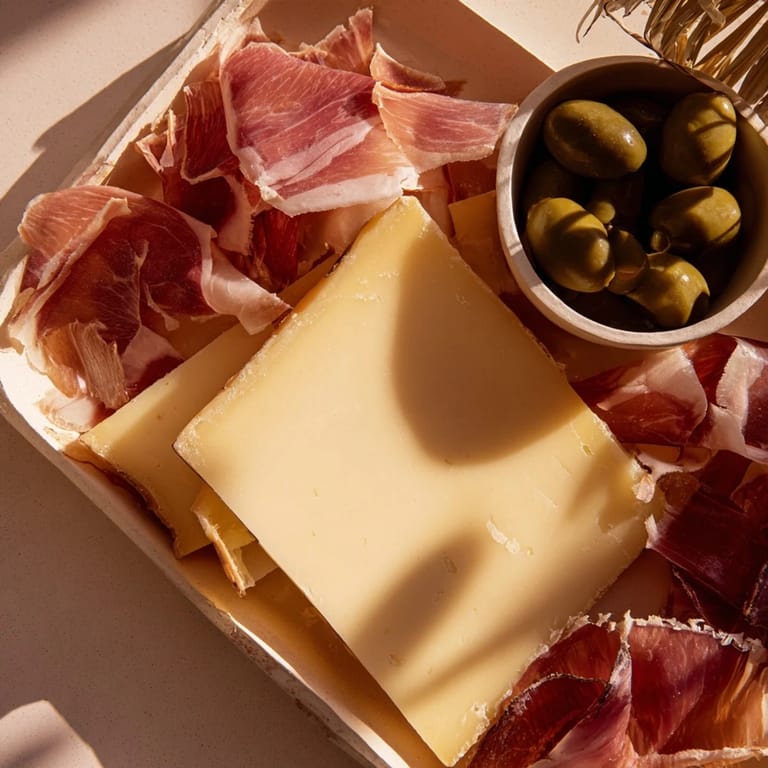
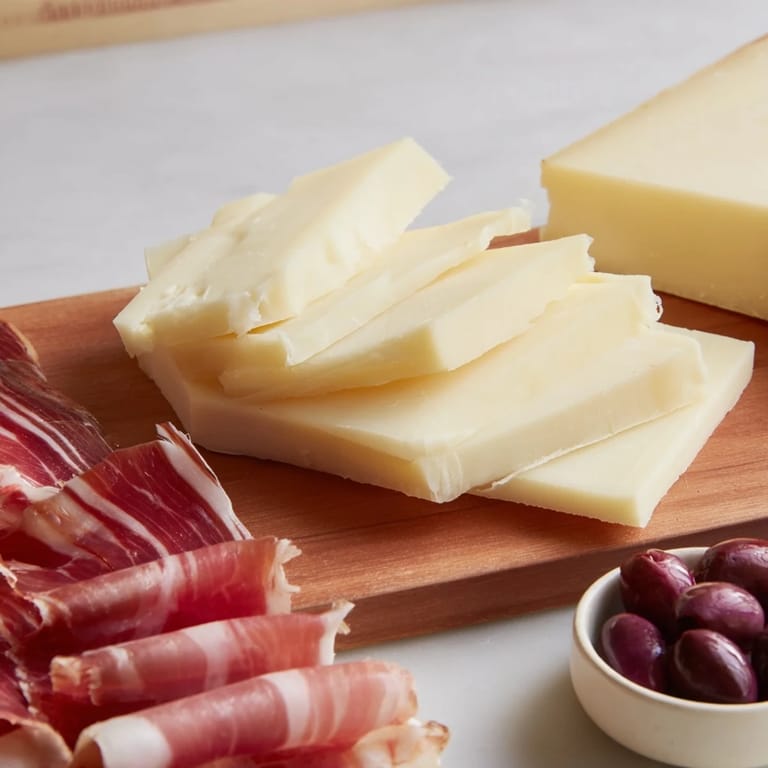
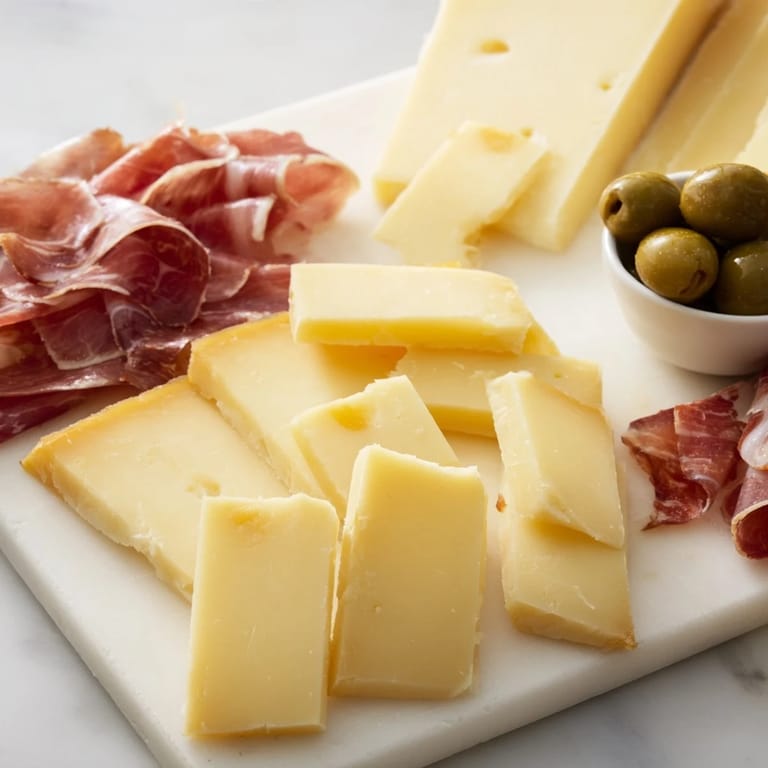
- Aged Comté (80 g, sliced): This is the anchor of the board—nutty, crystalline, and complex enough to hold your attention on its own. Buy it from a cheese counter if you can and ask them to slice it thin. It tastes completely different from pre-packaged.
- Jamón Ibérico (80 g, thinly sliced): The real deal makes this board sing. It's salty and rich without being heavy, and those thin slices should look almost translucent when you hold them up to light. This is not the time to compromise.
- Castelvetrano Olives (80 g, pitted): The buttery, almost grassy sweetness of these olives balances everything else. Pit them yourself if you can find them unpitted—there's something about the ritual of it that makes the board feel more intentional.
Tired of Takeout? 🥡
Get 10 meals you can make faster than delivery arrives. Seriously.
One email. No spam. Unsubscribe anytime.
Instructions
- Divide Your Space:
- Take a clean serving board and mentally split it into three equal sections—think of it like you're creating a triptych where each panel has its own story. This act of claiming space for each ingredient is half the point.
- Arrange the Comté:
- Lay the cheese slices in the first section with just enough overlap to look intentional but not careless. You want to see the veining and texture, so don't stack too densely.
- Layer the Jamón:
- In the second section, fold and arrange the ham in loose, casual waves. Let some pieces fall where they will—this is the one spot where a little disorder actually looks more appetizing than perfection.
- Place the Olives:
- Either gather them in a small bowl nestled in the final third, or pile them directly on the board in a small mound. Either way works; choose whichever feels more restful to look at.
- Serve Immediately:
- Bring the board to the table at room temperature. The warmth releases the flavors in ways that cold simply can't match. This is meant to be eaten now, not fussed over.
 Pin
Pin I learned the power of this board the night someone refused to leave the table until every last piece was gone, not because they were desperately hungry but because they were genuinely curious about each flavor and how it shifted depending on what they ate next. That's the moment I stopped thinking of this as a shortcut appetizer and started seeing it as its own complete experience.
The Art of Restraint
Cooking teaches you that more is almost never better. This board proves it—three ingredients, each treated with respect, create something more memorable than a crowded spread of mediocre things. There's a confidence in knowing when to stop, and I think that's what drew me to putting this on a table for people I care about. It's a small statement about believing in quality over quantity.
Building Your Own Variations
Once you understand the structure of this board, you can riff on it endlessly while keeping the same spirit. The formula is simple: one cheese, one cured meat, one bold element (olives, pickled vegetables, nuts). I've done Manchego with chorizo and marcona almonds, Gruyère with prosciutto and roasted grapes. The joy is in choosing ingredients so good they don't need help, then getting out of the way and letting them be themselves.
Pairing and Serving
This board lives in the space between appetizer and aperitif, best experienced with something to drink that feels equally thoughtful. A crisp Champagne, a dry Albariño, or even a clean vermouth work beautifully here. The board itself should be sturdy and clean—wood or stone, nothing fussy. Bring small plates and let people serve themselves, which somehow makes the whole experience feel less like a performance and more like a gift.
- Choose a board you love looking at; it becomes part of the whole moment.
- Set out a cheese knife and small fork so people have the tools to enjoy this properly.
- Serve this at the beginning of a meal or as an entire meal on its own—either way, it works.
 Pin
Pin This board is a reminder that sometimes the most generous thing you can do is choose well and step back. Good food doesn't need elaboration.
Recipe Q&A
- → How should the cheese board be arranged?
Divide the serving board into three equal sections, placing aged Comté in the first, Jamón Ibérico in the second, and Castelvetrano olives in the third for a balanced presentation.
- → Can the aged Comté be substituted?
Yes, alternatives like Gruyère or Manchego work well while maintaining the intended flavor profile.
- → How is the Jamón Ibérico prepared for serving?
Thinly slice and fold the Jamón Ibérico attractively to enhance its visual appeal and texture.
- → Is this dish suitable for vegetarians?
The original includes Jamón Ibérico; however, vegan or vegetarian versions can use plant-based substitutes for cheese and charcuterie.
- → What beverages pair well with this cheese board?
Crisp, dry white wines or Champagne complement the salty and rich flavors, elevating the overall experience.
- → Are there any allergen considerations?
Contains milk from cheese and potential nut or gluten traces in charcuterie; always check ingredient labels if allergies are a concern.