 Pin
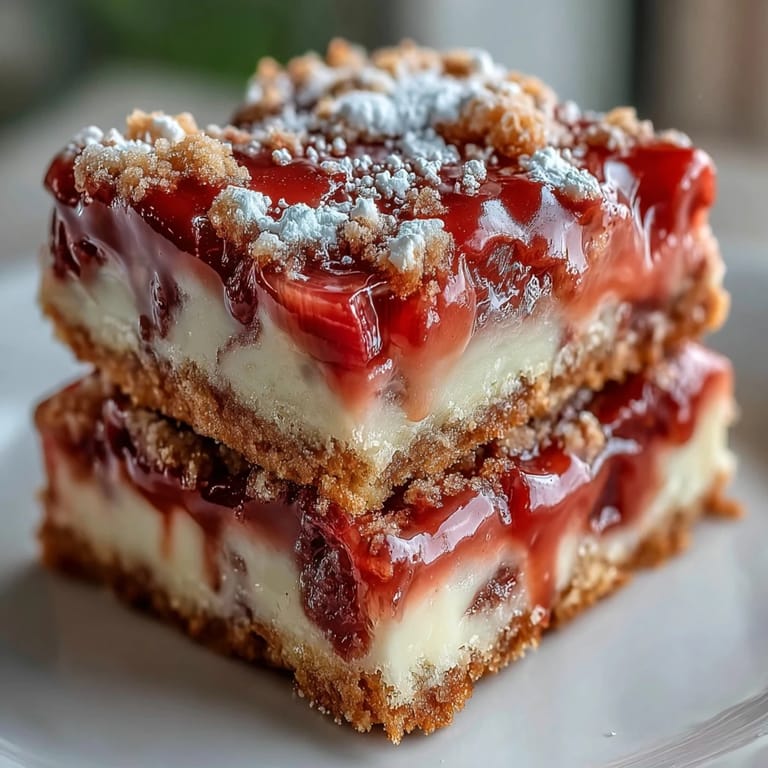
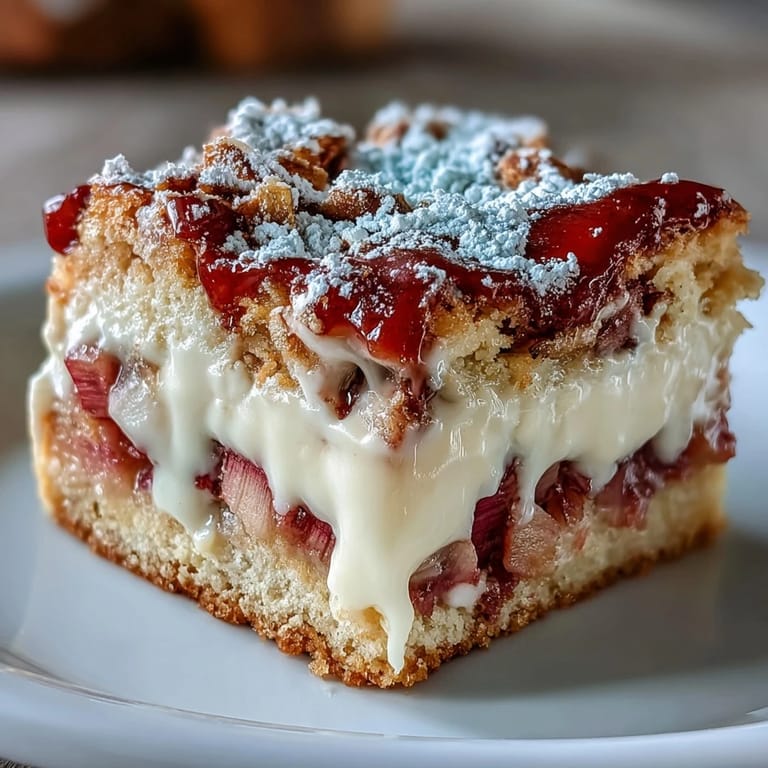
Pin The sharp, sweet scent of rhubarb simmering away was what first lured me into making these bars one drizzly afternoon in early spring. I wasn’t even planning on baking, but a neighbor dropped off a huge bundle of rhubarb with the mud still clinging to the stalks. A buttery shortbread crust seemed the perfect canvas for that tangy fruit and the pillowy custard I’d seen in an old church cookbook. When I pulled the finished bars from the oven, the custard had puffed gorgeously around the rhubarb; the kitchen looked sunlit even through gray clouds. It's a dessert that always surprises people—especially those dubious about rhubarb—because one bite can change everything.
I actually made these bars for a book club gathering, thinking they'd be a quirky alternative to brownies. While I cut neat squares, my friend Sarah swiped the offcuts and claimed they made the perfect pre-dinner snack with coffee. The little speckles of pink rhubarb had everyone leaning in for seconds, convinced there had to be some hidden chef trick. Even the skeptical ones who insisted they 'didn’t do sour desserts' were won over before the night was out. I still laugh remembering a guest asking for the recipe and then dropping custard on my cookbook in her excitement.
Ingredients
- Unsalted butter: Softened butter guarantees a tender, crumbly shortbread if you give it enough time to warm up fully.
- Granulated sugar: Provides subtle sweetness for both the crust and the rhubarb, and is essential for the custard’s creamy body.
- All-purpose flour: The foundation for both the crust and custard stability—sift it if you can for an extra delicate texture.
- Salt: Just a pinch sharpens every layer; don’t skip it even though it’s small.
- Fresh rhubarb: Choose firm, vividly colored stalks and chop them evenly so the tartness spreads in lovely streaks through every slice.
- Eggs: Whisk them until creamy for a custard that emerges smooth and satiny.
- Heavy cream: This is what gives that golden custard its richness—don’t substitute light cream unless you absolutely have to.
- Pure vanilla extract: Just a teaspoon but it brings out the natural sweetness and perfume of the rhubarb.
- Powdered sugar: Not just for garnish—a light dusting makes each bar look bakery-perfect and adds a touch of extra sweetness at the end.
Tired of Takeout? 🥡
Get 10 meals you can make faster than delivery arrives. Seriously.
One email. No spam. Unsubscribe anytime.
Instructions
- Prep Your Pan:
- Grease a 9x13-inch pan and line it with parchment for easy removal later. You’ll thank yourself when those sticky custard bars slide right out.
- Cream the Shortbread:
- Beat the softened butter and sugar until pale and airy, letting the mixer do its thing while you listen for that satisfying thump against the bowl.
- Form and Bake the Crust:
- Mix in the flour and salt until crumbly, then press the dough gently and evenly into your prepared pan—no need to stress about perfection. Bake until the edges just start to turn gold.
- Sugar the Rhubarb:
- While the crust bakes, toss rhubarb with sugar until glistening and let it sit so the juices start to run.
- Whisk the Custard:
- Vigorously whisk eggs and sugar until combined before adding flour, heavy cream, vanilla, and that tiny pinch of salt for depth. Beat till silky and smooth.
- Layer and Bake:
- Straight from the oven, top the hot crust with sugared rhubarb. Pour custard over it and spread to the corners, then bake again until the center barely jiggles when you nudge the pan.
- Cool and Finish:
- Let the bars cool completely, resisting the urge to slice early. Dust with powdered sugar just before serving for that irresistible bakery look.
 Pin
Pin 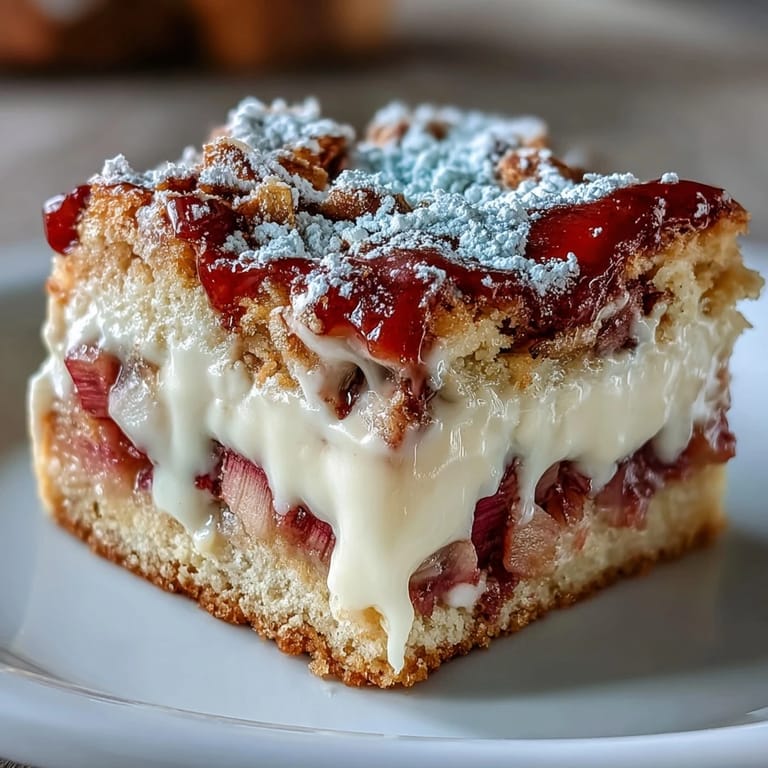 Pin
Pin My favorite memory is sneaking a bar straight from the pan, still a bit warm, while chatting on the phone with my sister about garden disasters. Those moments—sticky fingers, a burst of tartness, and laughter in the background—reminded me that desserts can turn the most ordinary evening into something to savor. There’s a quiet victory in knowing you made something so comforting from scratch.
Making It Your Own: Twists and Swaps
Once you’ve got the base recipe down, you can riff in endless ways. My friend suggested tossing in fresh strawberries with the rhubarb for a pinker, sweeter twist, and it worked like a charm. Swapping a bit of almond flour into the shortbread gives a subtle nutty flavor, and a touch of lemon zest in the custard is wonderful if you want more brightness. Sometimes I even scatter sliced almonds on top before baking for a crunchy finish.
Troubleshooting and Fixing Mishaps
Shortbread too crumbly It’s usually from not pressing firmly enough or using cold butter—just warm the dough with your hands next time. If the custard separates or looks curdled, next time whisk the eggs and sugar extra well, and pour the filling over a hot—not cooled—crust. And if your rhubarb is especially tart, sprinkle an extra spoonful of sugar on top before baking; it’ll caramelize and mellow the tang.
Serving, Storing, and Next-Day Magic
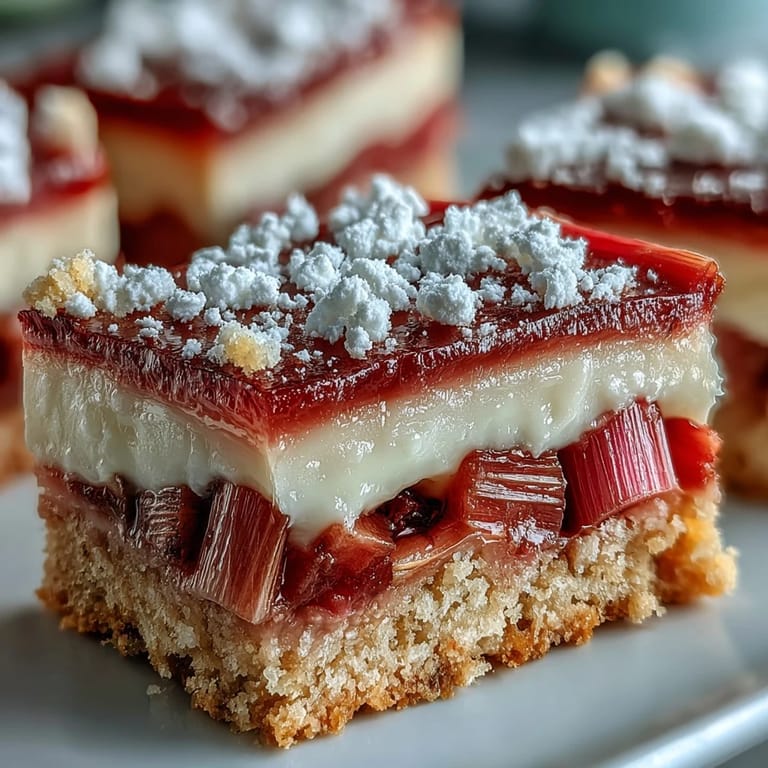
These bars are honestly best once they’ve had a little nap in the fridge, when the flavors meld and the custard sets firm. I’ve packed them into picnic baskets on cool mornings and found they survived—and tasted even better—after a night in the fridge. A quick dusting of powdered sugar before you serve wakes everything up.
- Wipe your knife between cuts for sharp, clean bars.
- Leftovers keep in the fridge for three days—but rarely last that long.
- Let bars come to room temperature for the softest, creamiest texture.
 Pin
Pin 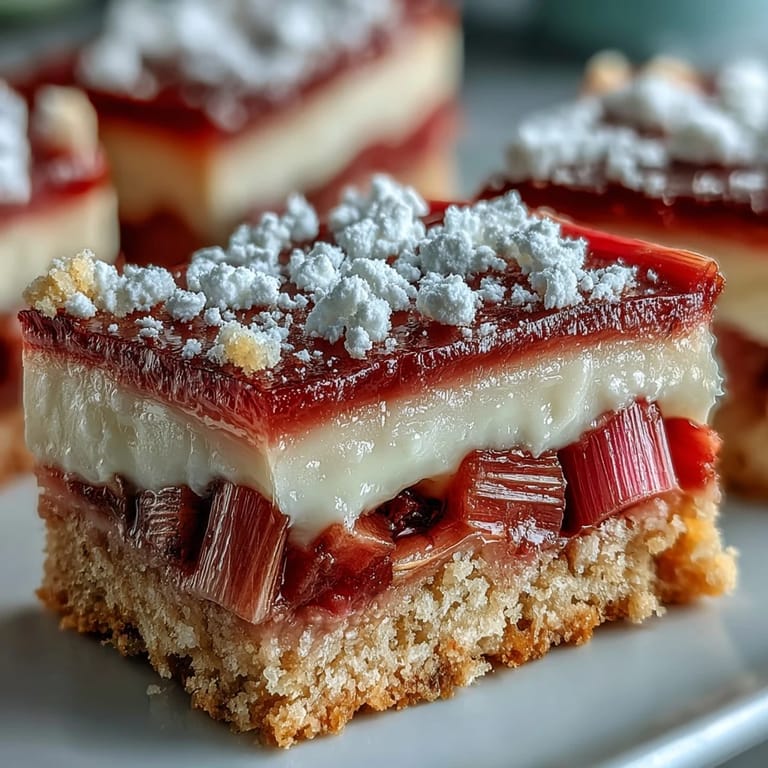 Pin
Pin Whether you find yourself with armfuls of rhubarb or simply crave a slice of sunshine, these bars promise brightness in every bite. I hope they make your kitchen a little happier today.
Recipe Q&A
- → How do I know when the custard is set?
The custard is done when the center has a slight, gentle jiggle but is not liquid; the edges should be lightly golden. It will continue to firm as it cools, so avoid overbaking to keep it silky.
- → Can I use frozen rhubarb?
Yes—thaw and drain well, then toss with the sugar to remove excess moisture. Press any released juice out before spreading to prevent a soggy crust; you may need a few extra minutes of bake time.
- → How can I get a crisper shortbread base?
Press the dough firmly and bake until the edges are pale golden. Chill the dough briefly before baking, and consider blind-baking a minute or two longer if it looks underdone. Adding a tablespoon less cream to the custard helps keep the base crisper.
- → What's the best way to slice neat bars?
Cool completely in the pan, then chill for at least an hour. Use a sharp knife warmed under hot water and wiped dry between cuts for clean edges. For very sharp slices, freeze briefly before slicing.
- → How long do the bars keep and how should I store them?
Store covered in the refrigerator for up to 4 days. For longer storage, freeze individual bars wrapped tightly for up to 2 months; thaw in the fridge before serving.
- → Can I make dietary substitutions like gluten-free or add nuts?
Substitute a 1:1 gluten-free flour blend for the all-purpose flour in the crust and reduce handling to avoid crumbling; in place of flour in the custard, a light cornstarch slurry can help thicken. For crunch, fold 1/2 cup chopped nuts into the crust or sprinkle on top before baking.