 Pin
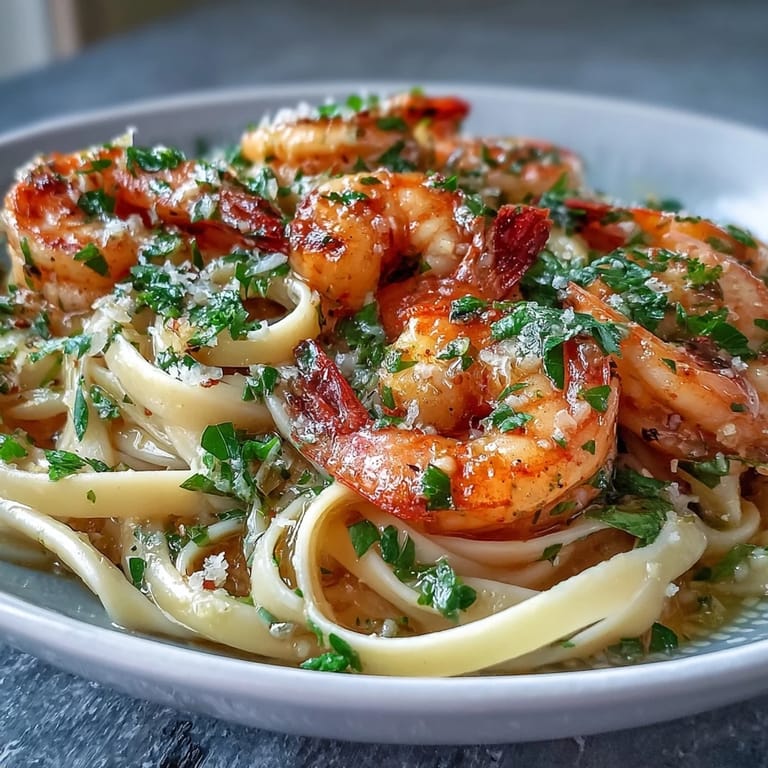
Pin The smell of garlic hitting hot butter stopped me mid-sentence during a phone call once. I was trying to multitask, stirring shrimp with one hand and balancing my phone with the other, when the kitchen filled with that unmistakable fragrance. My friend on the line said she could practically smell it through the speaker. That's the power of shrimp scampi: it announces itself before you even taste it.
I made this for my sister after she had a rough week at work. She sat at my kitchen counter, glass of wine in hand, watching me toss the shrimp in that glossy sauce. When I plated it with a wedge of lemon on the side, she said it looked like something from a bistro. The truth is, it's just good ingredients treated simply, but sometimes that's exactly what someone needs.
Ingredients
- Large shrimp (1 pound, peeled and deveined): Look for shrimp that smell like the ocean, not fishy or like ammonia, and pat them completely dry so they sear instead of steam.
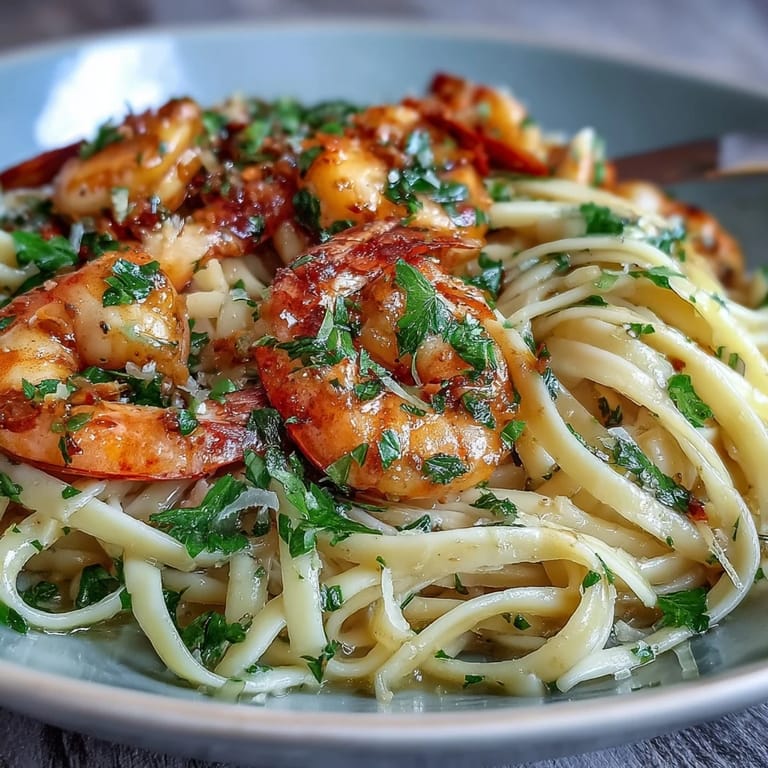
- Linguine (12 ounces): The flat shape holds onto the buttery sauce better than round pasta, and cooking it just until al dente means it won't turn mushy when you toss it in the skillet.
- Unsalted butter (4 tablespoons): Using unsalted lets you control the seasoning, and adding it in stages creates a sauce that's rich but not greasy.
- Extra-virgin olive oil (3 tablespoons): This keeps the butter from burning and adds a fruity backbone to the sauce.
- Garlic (5 cloves, finely minced): Fresh garlic is non-negotiable here; jarred stuff just doesn't bloom the same way in hot fat.
- Red pepper flakes (1/4 teaspoon, optional): A tiny pinch wakes up the whole dish without making it spicy, just pleasantly warm.
- Lemon zest and juice (1 lemon): Zest goes in at the end for a bright pop, while the juice cuts through the butter and makes everything feel lighter.
- Fresh parsley (1/4 cup, chopped): It's not just for looks; the slight bitterness balances all that richness.
- Dry white wine (1/2 cup): Choose something you'd actually drink, not cooking wine, because that sharpness mellows into something almost sweet as it reduces.
- Salt and black pepper: Season the shrimp before they hit the pan and taste the sauce before serving, because pasta water and wine both affect the salt level.
- Lemon wedges for serving: A squeeze at the table lets everyone adjust the brightness to their liking.
Tired of Takeout? 🥡
Get 10 meals you can make faster than delivery arrives. Seriously.
One email. No spam. Unsubscribe anytime.
Instructions
- Boil the pasta:
- Bring a large pot of salted water to a rolling boil and cook the linguine until al dente, following the package timing. Before draining, scoop out half a cup of that starchy pasta water; it's liquid gold for making the sauce cling.
- Prep the shrimp:
- Pat the shrimp completely dry with paper towels and season them lightly with salt and pepper. Wet shrimp won't brown, and you want a little color for flavor.
- Bloom the garlic:
- Melt 2 tablespoons of butter with 2 tablespoons of olive oil in a large skillet over medium heat, then add the minced garlic and red pepper flakes. Stir for about a minute until the garlic is fragrant and just starting to turn golden, not brown or it'll taste bitter.
- Sear the shrimp:
- Lay the shrimp in a single layer in the skillet and let them cook undisturbed for 1 to 2 minutes per side until they're just opaque and pink. Pull them out onto a plate so they don't overcook while you build the sauce.
- Deglaze and reduce:
- Pour in the white wine and lemon juice, scraping up any browned bits stuck to the bottom of the pan. Let it simmer for 2 to 3 minutes until it reduces slightly and smells less sharp.
- Finish the sauce:
- Stir in the remaining 2 tablespoons of butter and 1 tablespoon of olive oil, swirling the pan until everything melts together into a glossy emulsion.
- Bring it together:
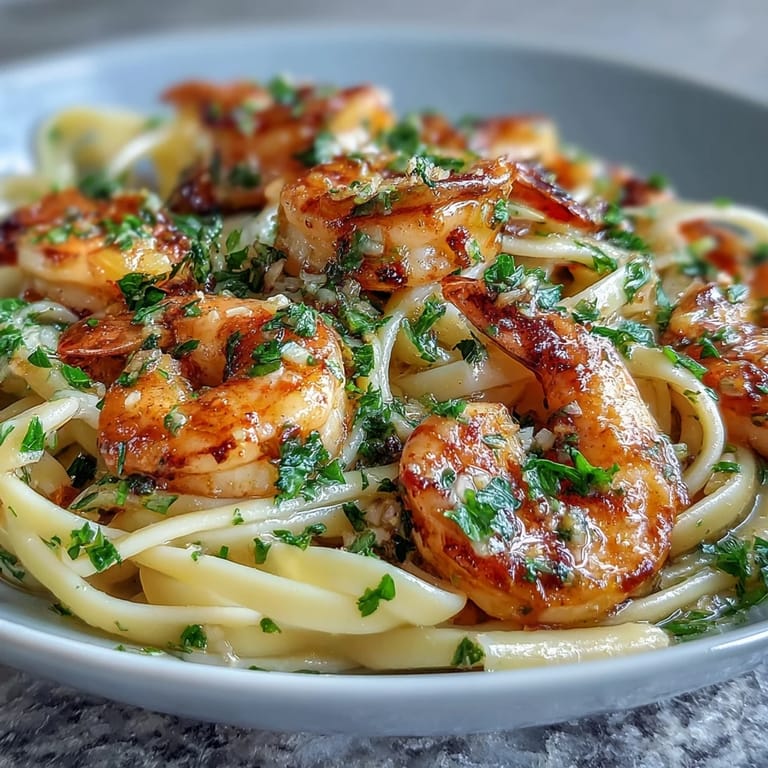
- Return the shrimp and any juices to the skillet, then add the lemon zest and half the parsley. Toss the drained linguine into the sauce, adding splashes of reserved pasta water until the sauce coats every strand without pooling at the bottom.
- Taste and serve:
- Adjust the seasoning with more salt or pepper if needed, then plate immediately with the remaining parsley scattered on top and lemon wedges on the side.
 Pin
Pin One evening, I served this to a friend who claimed she didn't like shrimp. She finished her entire plate and asked for the recipe, admitting it was the garlic and lemon that changed her mind. Sometimes it's not about the main ingredient at all, but how you frame it.
What to Serve Alongside
A simple arugula salad with shaved Parmesan and a squeeze of lemon works beautifully because it mirrors the brightness of the scampi. I also love crusty bread to soak up every last bit of that buttery, garlicky sauce at the bottom of the bowl. A chilled Pinot Grigio or Sauvignon Blanc echoes the wine in the dish and keeps the meal feeling light.
How to Store and Reheat
Leftovers keep in the fridge for up to two days in an airtight container, though the pasta will soak up some of the sauce as it sits. When reheating, add a splash of water or broth to a skillet over low heat and gently warm everything through, stirring often so the shrimp don't toughen. I wouldn't freeze this one; shrimp and pasta both lose their texture in the freezer, and the sauce can separate.
Little Tweaks That Make a Difference
If you want a bit more body, toss in a handful of halved cherry tomatoes when you add the garlic; they'll burst and add a sweet, juicy contrast. Swapping linguine for spaghetti or fettuccine works just fine if that's what you have on hand. For a dairy-free version, replace the butter with more olive oil; you'll lose a little richness, but it's still delicious.
- A pinch of lemon zest on each plate right before serving makes the citrus pop even more.
- If you like heat, double the red pepper flakes or add a fresh chopped chili.
- Fresh basil instead of parsley gives it a slightly sweeter, more summery vibe.
 Pin
Pin This is the kind of dish that makes a weeknight feel special without any fuss. Keep the ingredients simple, don't overthink it, and you'll have something that tastes like you spent hours in the kitchen.
Recipe Q&A
- → Can I use frozen shrimp for this dish?
Yes, frozen shrimp work perfectly. Thaw them completely in the refrigerator overnight or under cold running water, then pat them very dry with paper towels before cooking to ensure proper browning.
- → What type of white wine should I use?
Choose a dry white wine you would enjoy drinking, such as Pinot Grigio, Sauvignon Blanc, or a dry Vermouth. Avoid sweet wines as they will alter the flavor profile of the sauce.
- → How do I prevent the garlic from burning?
Keep the heat at medium and watch the garlic carefully. It should only sauté for about 1 minute until fragrant. Adding it to butter and oil helps regulate the temperature and prevents scorching.
- → Can I make this ahead of time?
This dish is best served immediately for optimal texture and flavor. However, you can prep ingredients in advance by peeling shrimp, mincing garlic, and zesting lemon. Cook everything just before serving.
- → What can I substitute for linguine?
Spaghetti, fettuccine, or angel hair pasta work beautifully. For a gluten-free option, use your favorite gluten-free pasta variety and cook according to package directions.
- → Why should I reserve pasta water?
Pasta water contains starch that helps bind the sauce to the noodles, creating a silky, cohesive coating. Add it gradually if your sauce seems too thick or isn't clinging to the pasta properly.