 Pin
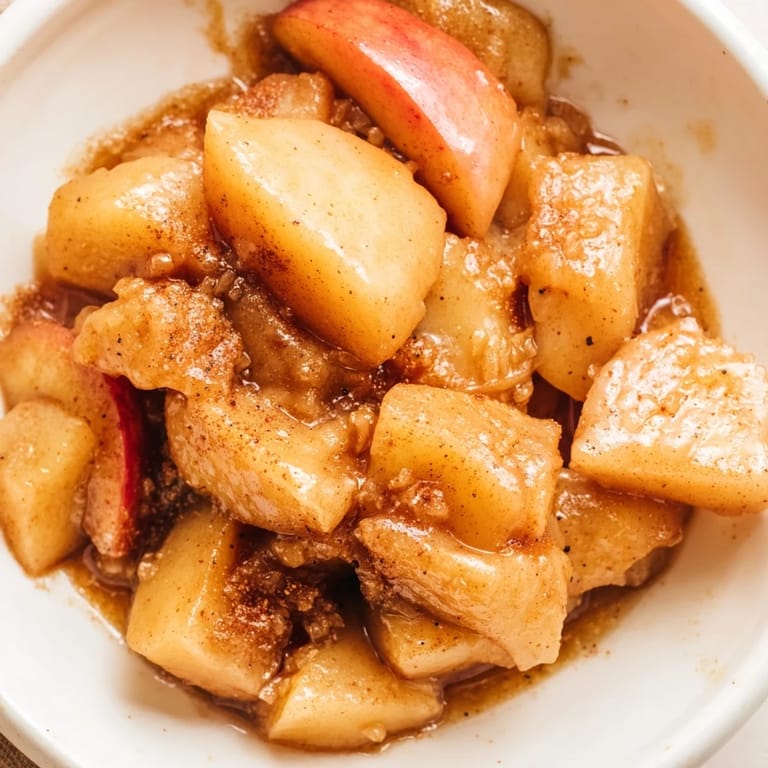
Pin There's something almost meditative about opening the slow cooker lid hours after you've set it and finding the kitchen filled with cinnamon-sweet steam. I discovered these stewed apples on a chilly Sunday morning when I wanted something warm and comforting but didn't want to fuss at the stove. The slow cooker did all the work while I read the paper, and by lunchtime I had this glossy, honeyed compote that tasted like autumn in a bowl. It's become my favorite way to use up apples when the farmers market has them piled high and I'm not quite ready to bake a pie.
I'll never forget bringing a batch to my neighbor's house on a rainy afternoon, and she served it warm over vanilla ice cream while we watched her kids play in the living room. The way the cold melted into the warm apples, how quickly the bowls emptied—that's when I realized this recipe was bigger than just a breakfast topping. Now I make double batches without thinking, knowing half will disappear before dinner.
Ingredients
- 6 large apples (Granny Smith, Honeycrisp, or Fuji): A mix of tart and sweet keeps the compote interesting; Granny Smiths hold their shape beautifully while others add natural sweetness and break down into creaminess.
- 1/4 cup honey: This is your sweetener and gives the finished compote its glossy, luxurious appearance—don't skip it even though the apples themselves have plenty of natural sugar.
- 1/2 teaspoon ground cinnamon: The backbone of the flavor; it blooms and deepens over the three hours in the slow cooker, becoming almost caramel-like.
- 1 tablespoon lemon juice: Acts as a flavor brightener that stops the compote from tasting flat and brings out the apple flavor itself.
- 1/4 cup water: Just enough to create steam and prevent sticking without making the apples watery or soupy.
- 1/4 teaspoon ground nutmeg (optional): A whisper of warmth that only a few people will be able to identify by name, but everyone notices when it's missing.
- 1/2 teaspoon vanilla extract (optional): Stir this in at the very end to add a subtle depth without overpowering the apple flavor.
- Pinch of salt: A tiny bit amplifies sweetness and brings all the flavors into sharper focus.
Tired of Takeout? 🥡
Get 10 meals you can make faster than delivery arrives. Seriously.
One email. No spam. Unsubscribe anytime.
Instructions
- Prep your apples:
- Peel, core, and cut them into roughly 1-inch chunks—uniform sizing helps them cook evenly and gives the finished compote a better texture. Don't worry about cutting them perfectly; rustic is actually your friend here.
- Layer everything in the slow cooker:
- Start with the apples, then drizzle with honey and lemon juice, sprinkle the cinnamon and any optional nutmeg, add the water and salt, then give everything a gentle stir to combine. You're just distributing flavors now, not mashing anything.
- Cook low and slow:
- Cover and cook on low for 3 hours, stirring once or twice if you happen to be nearby. The apples will go from firm to completely tender and will release their juices into a rich, spiced syrup.
- Finish and taste:
- If you're using vanilla extract, stir it in after the heat turns off. Taste it and adjust sweetness if needed—some apples are tartly delightful while others are naturally sweeter, so give yourself permission to customize.
 Pin
Pin My daughter once asked why I made 'boring applesauce' so fancy, and I realized it was because I'd stopped thinking of it as a side dish and started treating it like something worth savoring. That shift changed everything about how I cook it and how people eat it.
Texture and Consistency
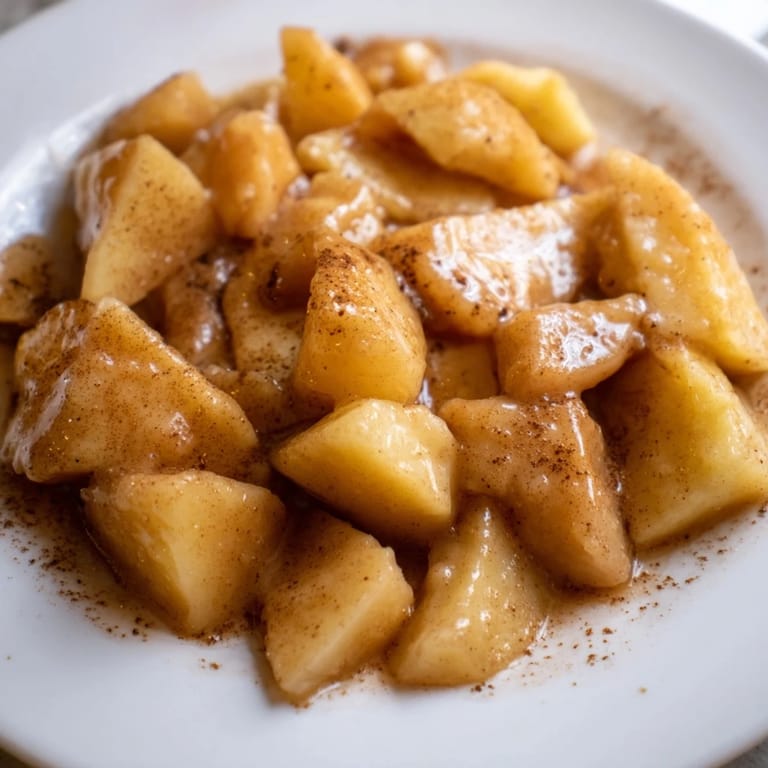
The beauty of the slow cooker is that you're in total control of how broken down your apples become. If you love a chunky compote with distinct pieces of apple suspended in syrup, aim for two and a half hours and stir gently. If you want something silky that spreads like jam, cook the full three hours and then run a fork through it a few times. Some people even grab an immersion blender for a completely smooth result, and honestly, all three versions are delicious in different ways. The slow cooker's gentle, even heat means the apples break down without turning grainy or taking on that overcooked, dull flavor you get from a too-hot stovetop.
Ways to Serve It
This compote is genuinely chameleon-like in its ability to fit into breakfast, dessert, or even savory applications. Pour it warm over oatmeal and granola for a cozy breakfast that feels special, spoon it onto pancakes or waffles, layer it into yogurt for a parfait, or serve it chilled as a topping for vanilla ice cream or whipped cream. I've also served it warm on the side with roasted pork, where the tart sweetness balances rich meat beautifully. The fact that it works at any temperature—warm, room temperature, or cold from the fridge—means you can make it whenever inspiration strikes and eat it however fits the moment.
Variations and Substitutions
Once you understand the basic formula, it's easy to play with this recipe. Swap the honey for pure maple syrup if that's what you have, or use brown sugar for a deeper, molasses-tinged sweetness. You could add a splash of vanilla extract right at the start, or a tiny pinch of cardamom if you want to get fancy. I've made it with pears when apples weren't at peak season, and it's equally delicious—the timing stays the same. Some people add fresh ginger or a cinnamon stick instead of ground cinnamon, though ground spices blend more thoroughly into the compote.
- Maple syrup or brown sugar work beautifully in place of honey and create their own distinct flavor profiles.
- A grinding of fresh black pepper or a sprinkle of cardamom brings unexpected warmth without announcing itself.
- Pears, pear-apple mixes, or even berries stirred in at the end stretch the recipe in delicious directions.
 Pin
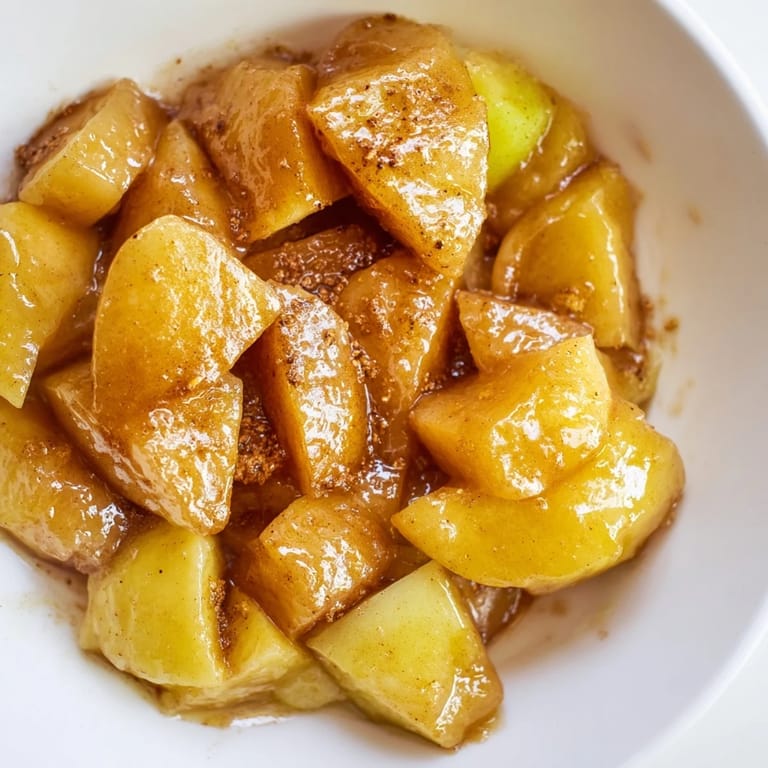
Pin This compote has quietly become one of those recipes I make without consulting the recipe, the kind that's become part of how I feed myself and the people I love. There's something honest about fruit, honey, and time becoming something so much greater than the sum of its parts.
Recipe Q&A
- → How do I ensure the apples become tender without turning to mush?
Cooking on low heat in a slow cooker for about 3 hours allows apples to soften gently while maintaining some texture. Stirring once or twice helps even cooking, and cooking less time yields chunkier results.
- → Can I substitute honey with other sweeteners?
Yes, maple syrup or brown sugar can replace honey, adjusting sweetness to your preference, while keeping the natural balance of flavors.
- → What apple varieties work best for this dish?
Tart and firm apples like Granny Smith, Honeycrisp, or Fuji provide a balanced sweet-tart profile and hold texture well during slow cooking.
- → How can I vary the flavor beyond cinnamon and honey?
Adding a pinch of nutmeg or a splash of vanilla extract at the end of cooking complements the warmth and depth of the apples’ natural sweetness.
- → What are ideal serving suggestions for this creation?
Serve warm over oatmeal, pancakes, or yogurt, or enjoy it alone as a naturally sweet treat or a comforting addition to breakfast or dessert.