 Pin
Pin My neighbor's garden exploded with dandelions that April, and instead of cursing the weeds, she invited me over to forage them for her kitchen experiments. We spent a morning plucking the bright yellow petals, laughing at how something so ordinary could feel luxurious when turned into scones. That afternoon, I baked my first batch while she watched, and the moment those golden rounds came out of the oven, we both understood why spring deserves its own pastry.
I brought a batch to my book club last spring, nervously explaining the dandelion element, half-expecting skeptical faces. Instead, three people asked for the recipe before I'd finished plating them, and one friend declared them the reason she was finally going to stop treating her dandelion patch like an enemy.
Ingredients
- All-purpose flour (2 cups): The foundation that keeps these scones tender and crumbly rather than dense, so measure by weight if your scale is handy.
- Granulated sugar (1/4 cup): Just enough sweetness to let the honey and floral notes take center stage without overwhelming them.
- Baking powder (1 tbsp): This is your leavening agent, and freshness matters more than you'd think, so check that expiration date.
- Fine sea salt (1/2 tsp): A small pinch that somehow makes everything taste more like itself.
- Unsalted butter (1/2 cup, cold and cubed): Cold butter creates those tender pockets of flakiness, so pull it straight from the fridge and work quickly.
- Whole milk (2/3 cup, cold): The cold temperature keeps the dough from getting warm and tough, so chill it beforehand if your kitchen runs warm.
- Dandelion petals (2 tbsp fresh): Use only the bright yellow petals from fully opened flowers that haven't been sprayed, and pinch away any green stem bits that taste bitter.
- Honey (2 tbsp): This adds moisture and a subtle floral sweetness that makes these scones taste like spring itself.
- Large egg (1): Your binding agent that helps everything hold together while keeping the crumb tender.
- Honey for drizzling (1 tbsp): Applied after baking for a glossy finish and extra sweetness on top.
- Dandelion petals for garnish (2 tbsp): A sprinkle of these while the honey is still sticky turns simple scones into something that looks garden-picked.
- Clotted cream to serve: The crowning glory that transforms these from good to unforgettable, though whipped cream or mascarpone work in a pinch.
Tired of Takeout? 🥡
Get 10 meals you can make faster than delivery arrives. Seriously.
One email. No spam. Unsubscribe anytime.
Instructions
- Heat your oven and prepare:
- Preheat to 400°F and line a baking sheet with parchment paper so your scones slide off effortlessly and the bottoms bake evenly. This small step prevents sticking and gives you confidence when transferring them later.
- Mix your dry base:
- Whisk together flour, sugar, baking powder, and salt in a large bowl, making sure everything is evenly distributed. This ensures your leavening power spreads throughout every bite.
- Cut in the butter:
- Using a pastry cutter, two forks, or your fingertips, work the cold cubed butter into the flour mixture until it resembles coarse breadcrumbs with pea-sized pieces still visible. The pockets of butter create those tender layers you're after, so resist the urge to fully blend everything together.
- Combine your wet ingredients:
- In a separate small bowl, whisk together cold milk, honey, egg, and your fresh dandelion petals until they're evenly distributed and the petals have softened slightly. The honey and petals infuse the liquid with floral sweetness while the egg acts as a binder.
- Bring it together gently:
- Pour the wet mixture into the dry ingredients and stir with a fork until just combined, leaving a few streaks of dry flour visible. Overmixing develops gluten and makes scones tough, so stop the moment you can form a dough.
- Shape and cut:
- Turn the shaggy dough onto a lightly floured surface and gently pat it into a 1-inch-thick round using the heel of your hand. Cut into 8 wedges like a pizza, then transfer each piece to your prepared baking sheet, spacing them about an inch apart.
- Bake until golden:
- Slide into the oven for 16 to 18 minutes, watching until the tops are golden brown and they've puffed up slightly in the heat. You'll smell that buttery, floral aroma that signals they're almost done.
- Finish with honey and petals:
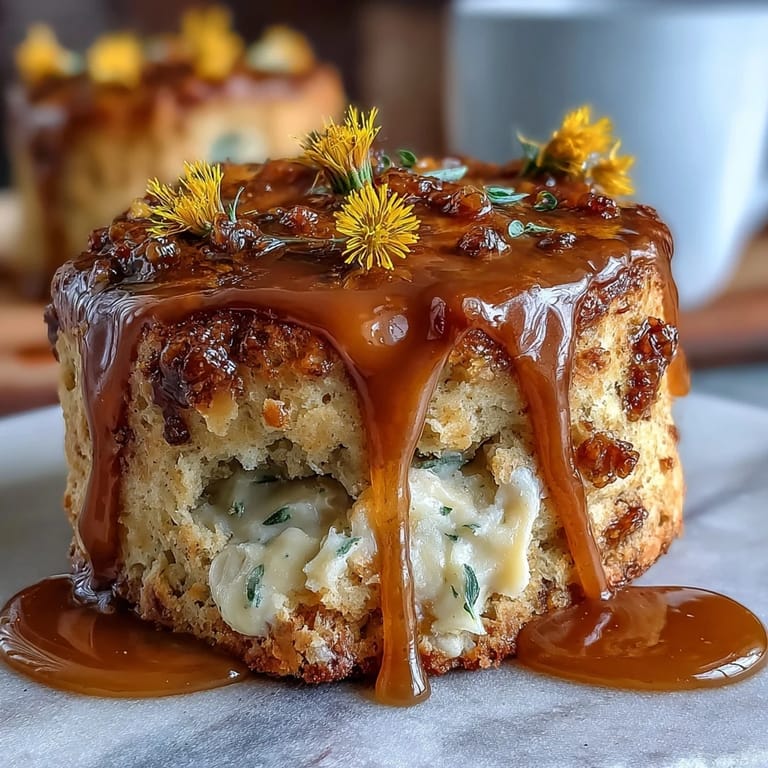
- As soon as they come out, drizzle with honey and sprinkle over fresh dandelion petals while everything is still warm so the honey catches and holds them in place. This transforms the scones from simple to stunning in seconds.
- Serve and enjoy:
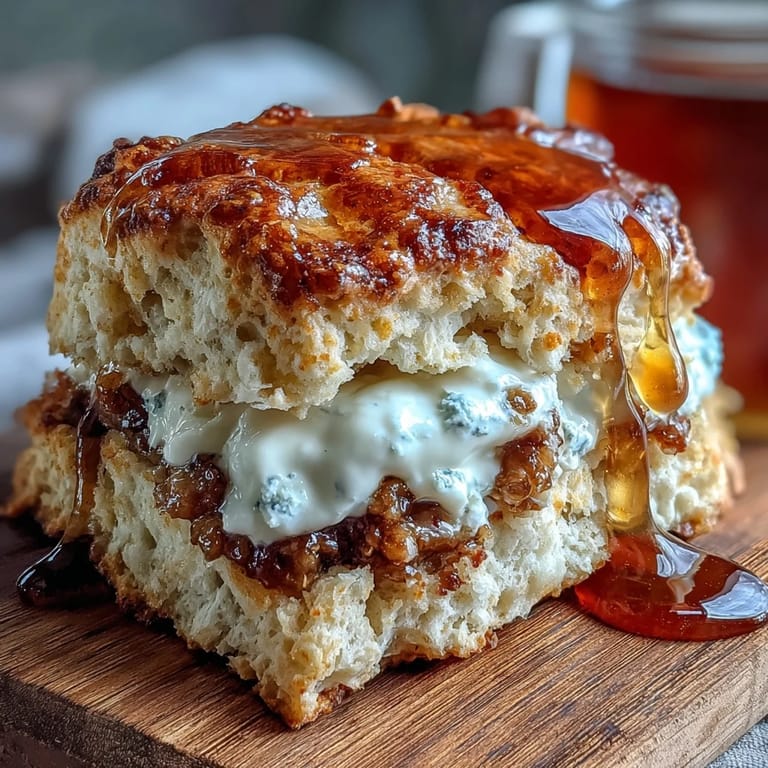
- Let them cool for just a few minutes, then serve warm with generous dollops of clotted cream that will melt slightly into the warm scones. This is the moment everything comes together.
 Pin
Pin My mother tasted one of these scones and quietly said it reminded her of her grandmother's garden, even though her grandmother never made them this way. There's something about baking with flowers that transforms them from weeds into memory, and suddenly food becomes a conversation between generations.
Finding and Preparing Dandelions
The hardest part of this recipe isn't the baking, it's the foraging. Hunt for dandelions in early spring before anyone sprays their lawns, and pick flowers that are fully open and bright yellow with no browning on the petals. Pinch away the green sepals underneath because those bitter bits will ruin the delicate taste, then rinse gently and pat completely dry before using them in the dough.
Why These Scones Work
The magic here is balance. Honey and dandelion petals could easily overwhelm a scone, making it taste floral and strange, but the restraint in quantities means you get a whisper of spring rather than a shout. The butter creates tenderness, the cold milk keeps everything light, and the egg binds it all together into something that tastes both familiar and surprising on the same bite.
Serving and Variations
These scones shine brightest served warm with clotted cream, though I've also split them in half and made little shortcake sandwiches with berries and whipped cream when spring strawberries arrived. A cold glass of sparkling wine or a floral white tea alongside brings out every note of honey and flower, turning breakfast into something closer to celebration.
- If clotted cream feels too fancy or unavailable, mascarpone whipped with a touch of honey offers similar richness and pairs beautifully with the dandelion flavor.
- Make these ahead up to the shaping step, cover the wedges loosely with plastic wrap, and bake them straight from the fridge, adding just a minute or two to the baking time.
- Store any leftovers in an airtight container and warm them gently in the oven the next morning, though honestly, none of mine ever last that long.
 Pin
Pin Spring tastes different when you bake it into something, and these dandelion honey scones are proof that the weeds we overlook often hold the flavor we've been searching for. Serve them warm, serve them with cream, and watch how quickly they disappear.
Recipe Q&A
- → What part of the dandelion is used in the scones?
Only the yellow petals are used to impart a floral flavor, avoiding bitter green parts.
- → Can I substitute clotted cream with another topping?
Yes, whipped cream or mascarpone can be used as alternatives for a creamy finish.
- → How do I store leftover scones?
Store in an airtight container at room temperature and consume within a day for optimal freshness.
- → What baking tools are needed for these scones?
You will need mixing bowls, a pastry cutter or fork, a baking sheet, parchment paper, and a knife or dough cutter.
- → What drink pairs well with these scones?
Floral white tea or a light sparkling wine complements the delicate flavors nicely.