 Pin
Pin There's something about lavender that stops time in the kitchen. I discovered panna cotta on a rainy afternoon when a friend left a jar of honey on my counter and mentioned she'd just planted lavender in her garden. That combination wouldn't leave my head, so I started experimenting with cream and floral notes. The first batch was too stiff, the second too loose, but when I finally got it right, I understood why this dessert has been cherished for centuries. It's less about technique and more about respecting the ingredients you're working with.
I made this for my partner's mother on her birthday, and she took one spoonful and closed her eyes. That's when I knew I'd found something special. She asked for the recipe immediately, which felt like the highest compliment. Now whenever spring arrives, I get texts asking if I'm making it again. Cooking something that makes people pause and savor the moment feels like the whole point of being in the kitchen.
Ingredients
- Heavy cream (2 cups): Use the best quality you can find; it's literally the foundation of this dessert and you'll taste the difference.
- Whole milk (1 cup): This lightens the cream just enough so the texture stays silky instead of too rich and heavy.
- Honey (1/3 cup): The sweetness here matters more than you'd think, so taste as you go and adjust if your honey is particularly strong or mild.
- Dried culinary lavender (2 teaspoons): Make sure it's food-grade and fresh; old lavender tastes dusty and will ruin the whole thing.
- Pure vanilla extract (1 teaspoon): This grounds the floral notes and keeps the dessert from tasting too one-dimensional.
- Unflavored powdered gelatin (2 1/2 teaspoons): Bloom it properly or you'll end up with lumps, which is annoying to strain out later.
- Cold water (3 tablespoons): This is for blooming the gelatin, and it absolutely must be cold.
Tired of Takeout? 🥡
Get 10 meals you can make faster than delivery arrives. Seriously.
One email. No spam. Unsubscribe anytime.
Instructions
- Bloom your gelatin:
- Sprinkle the gelatin over cold water in a small bowl and let it sit for 5 minutes without stirring. It'll look like a little sponge when it's ready, and this step is non-negotiable if you want a smooth final texture.
- Infuse the cream mixture:
- Pour the heavy cream and whole milk into a medium saucepan, add the honey and dried lavender, then heat gently over medium-low until wisps of steam just barely rise from the surface. Don't let it boil or the cream will break; you're just trying to coax out the lavender's flavor.
- Steep and strain:
- Take the pan off the heat, cover it, and let it sit for 10 minutes while the lavender surrenders all its delicate notes. Pour everything through a fine-mesh sieve to catch the lavender bits, pressing gently on the solids to extract every drop of flavor.
- Combine and dissolve:
- Return the strained mixture to the saucepan, add your bloomed gelatin, and stir gently over low heat for about a minute until the gelatin dissolves completely and you don't see any grainy bits. Stir in the vanilla extract at the last second.
- Pour and chill:
- Divide the mixture evenly among 4 ramekins or glasses, let it cool to room temperature (about 20 minutes), then cover and refrigerate for at least 4 hours. The panna cotta will set to a perfect wobble, not rubber.
- Unmold and serve:
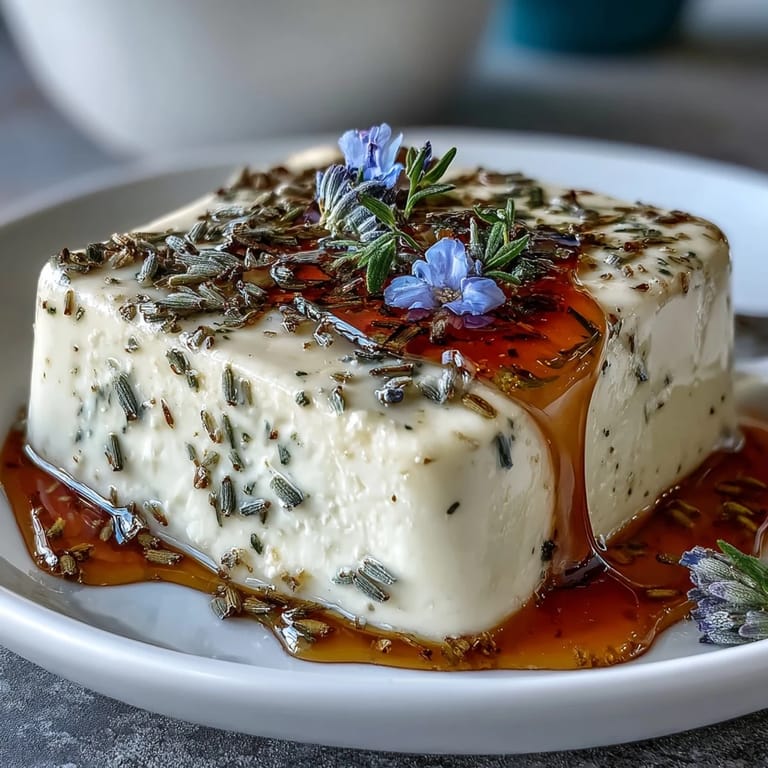
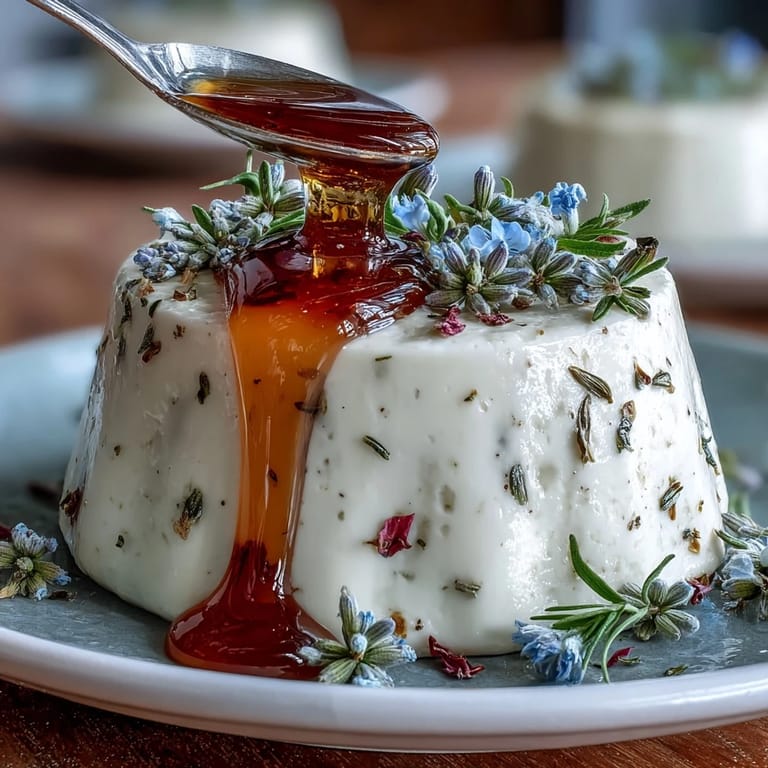
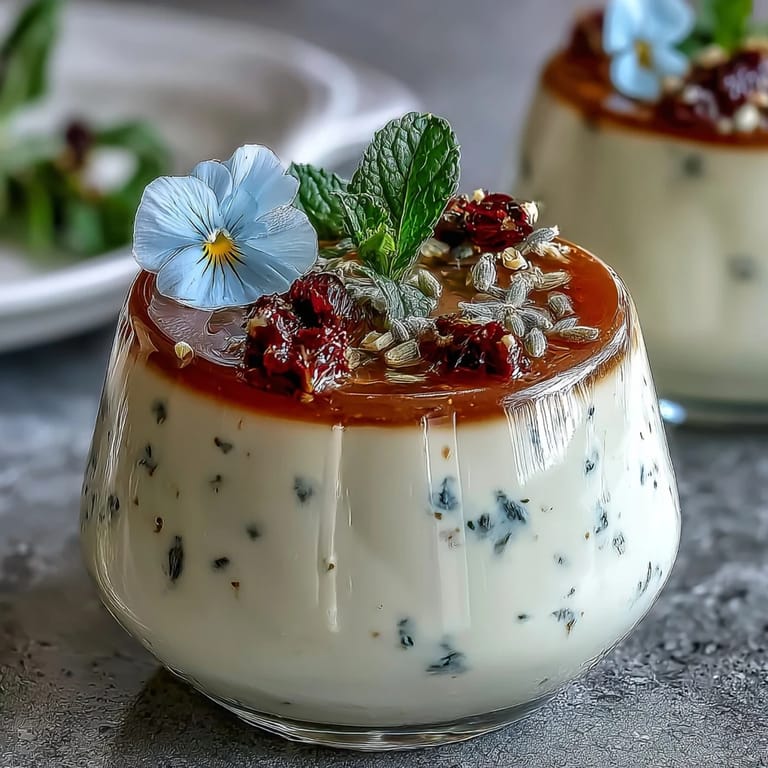
- If serving unmolded, run a thin knife around the edge of each ramekin and flip onto a plate in one confident motion. Otherwise, serve straight from the glass and drizzle with honey, scatter edible flowers, or top with fresh berries.
 Pin
Pin There's a moment when you first taste panna cotta that feels almost meditative. The spoon hits the silky surface, breaks through to the gentle wobble beneath, and then it melts on your tongue with that honey and lavender whisper. It stopped being just dessert the first time someone told me it reminded them of their grandmother's garden.
The Magic of Lavender in Desserts
Lavender is delicate and demanding, and it took me a few batches to understand how to work with it. Too much and you're eating a bath; too little and you miss the whole point. The key is that 10-minute steep, which is just long enough for the flavor to bloom without turning harsh. I started keeping my favorite culinary lavender in a dark jar away from sunlight because light fades the flavor and color faster than anything else.
Texture and the Art of the Wobble
Perfect panna cotta should jiggle gently when you move the plate, not sit there rigid and sad. That wobble means the gelatin is doing its job without overdoing it. I learned this the hard way by using too much gelatin in early attempts and ending up with something closer to firm custard. The 2 1/2 teaspoons for this quantity is the sweet spot, but if your kitchen is particularly warm, you might need an extra quarter teaspoon.
Serving with Confidence
The beauty of this dessert is that it works unmolded on a plate or served directly in the glass, depending on your mood and energy level. Unmolding feels fancy and makes people ooh and ahh, but sometimes I serve it in a beautiful glass to skip that step entirely. Either way, the garnish is where you express yourself. A drizzle of honey, a scatter of edible flowers, fresh berries, or even a simple dust of lavender sugar all transform the presentation.
- Fresh edible flowers like pansies or violas add both beauty and a whisper of flavor that complements the lavender.
- A shortbread cookie on the side adds textural contrast that makes the whole dessert feel more complete.
- If you want to make it ahead for a dinner party, unmold it onto plates just before serving to keep everything looking pristine.
 Pin
Pin This panna cotta has a way of becoming tradition before you realize it. Once you make it, people will ask for it every spring. Keep it simple, respect the ingredients, and let the lavender and honey do the talking.
Recipe Q&A
- → How do I infuse lavender flavor effectively?
Gently heat dried culinary lavender with cream and honey to allow the floral notes to infuse without bitterness. Avoid boiling for a smoother taste.
- → Can I substitute gelatin for a vegetarian version?
Yes, agar agar works well as a plant-based setting agent. Adjust quantities as agar agar sets differently from gelatin.
- → What is the purpose of steeping the mixture after heating?
Steeping off heat allows the lavender to release its aroma gradually without turning bitter or overpowering the dessert.
- → How long should the dessert chill before serving?
Chill for at least 4 hours to ensure the panna cotta sets properly and develops its creamy texture.
- → What garnishes complement this dessert best?
Fresh berries, edible flowers, and a drizzle of honey enhance both appearance and flavor, adding freshness and sweetness.