 Pin
Pin My sister called mid-April asking if I could bake something special for her birthday brunch, and without thinking, I said yes to a lemon blueberry cake. The moment the words left my mouth, I realized I'd never made one before, but something about the combination of bright citrus and those tiny burst-able berries felt exactly right for the season. I spent the next evening scrolling through half-remembered flavors, sketching out what might work, and by the time I'd mixed my first batch, I was completely certain this cake would become permanent in my rotation.
What I didn't expect was how my kitchen would smell while those three pans baked—not just lemony, but somehow also warm and bright, like spring had decided to visit my oven. My neighbor actually knocked on the door asking if I was running a bakery, and when I pulled the finished cake out to show her, still warm and glistening, she helped me eat an edge piece straight from the cooling rack. That moment, sitting on my kitchen counter at seven in the evening with cake crumbs on our fingers, felt like the real celebration.
Ingredients
- All-purpose flour (2 1/2 cups): The foundation of a tender crumb—I learned the hard way that scooping directly from the bag compacts it, so weigh it or spoon and level gently.
- Baking powder and baking soda (2 tsp and 1/2 tsp): These two work together to give you height and lightness; don't skip the baking soda because the lemon juice needs something to react with.
- Unsalted butter (1 cup for cake, 1/2 cup for frosting): Room temperature butter creams properly and creates that signature pale, fluffy texture that signals a well-made cake.
- Granulated sugar (1 3/4 cups): The sweetness foundation that also helps create structure as you beat it with the butter.
- Large eggs (4 total): Room temperature eggs incorporate more smoothly and create a more stable batter than cold ones straight from the fridge.
- Fresh lemon zest and juice (2 tbsp zest, 1/3 cup juice): The soul of this cake—fresh lemons taste completely different from bottled juice, and the zest carries oils that dried versions can't match.
- Whole milk (1 cup): Room temperature milk blends seamlessly into the batter without temperature shock and creates a more tender crumb.
- Fresh blueberries (1 1/2 cups): The unexpected joy in every bite; tossing them lightly in flour before folding prevents them from sinking to the bottom.
- Cream cheese (8 oz): Softened and beaten with butter, this creates a frosting that's tangy enough to balance the sweetness without being overwhelming.
- Powdered sugar (3 cups, sifted): Sifting it first prevents grainy frosting and makes beating it in much faster.
Tired of Takeout? 🥡
Get 10 meals you can make faster than delivery arrives. Seriously.
One email. No spam. Unsubscribe anytime.
Instructions
- Prepare your pans and preheat:
- Set your oven to 350°F and arrange three 8-inch round pans with a light coating of butter or cooking spray, then line the bottoms with parchment circles. This two-step approach ensures nothing sticks, and you'll actually be able to turn your beautiful cakes out onto cooling racks.
- Mix your dry ingredients:
- Whisk flour, baking powder, baking soda, and salt together in a bowl and set it nearby. This keeps lumps from forming and distributes the leavening agents evenly throughout.
- Cream butter and sugar:
- Beat softened butter and sugar for about three to four minutes until it looks pale and fluffy like whipped clouds. You'll hear the mixer working harder at first, then the sound will lighten as air gets incorporated.
- Add eggs one at a time:
- Drop in one egg, beat until it completely disappears into the mixture, then add the next—this gradual approach creates a stable emulsion. After all four are in, mix in your lemon zest and juice until everything is uniform.
- Alternate wet and dry:
- Add your flour mixture and milk in three parts, starting with flour and ending with flour, mixing on low speed just until each addition disappears. This prevents overmixing, which would make your cake tough instead of tender.
- Fold in the blueberries:
- Toss your blueberries gently with a tablespoon of flour—this magic step keeps them from sinking to the bottom—then fold them into the batter with a rubber spatula using a gentle hand. A few gentle strokes is all you need.
- Divide and smooth:
- Distribute the batter evenly among your three prepared pans, using an offset spatula or the back of a spoon to smooth the tops level. Even layers bake more evenly and stack more beautifully.
- Bake until golden:
- Bake for 25 to 30 minutes, checking at 25 with a toothpick inserted into the center—it should come out clean or with just a few moist crumbs, never wet batter. The edges will pull away slightly from the sides of the pan when done.
- Cool in pans, then on racks:
- Let the cakes rest in their pans for 10 minutes—this gives them enough stability to handle the flip—then turn them out onto wire racks and let them cool completely. This wait is important; frosting a warm cake is a disaster waiting to happen.
- Make the frosting:
- Beat softened cream cheese and butter together until completely smooth, then add your sifted powdered sugar a bit at a time, followed by lemon juice, vanilla, and salt. Keep beating until it's light and fluffy, about two minutes total.
- Assemble the layers:
- Place your first cake layer on a serving plate or cardboard round, spread a generous layer of frosting on top, then repeat with the second layer. Top with the third layer and frost the top and all sides with a long offset spatula or knife.
- Decorate and finish:
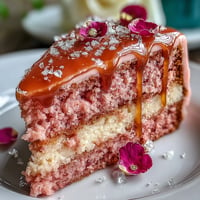
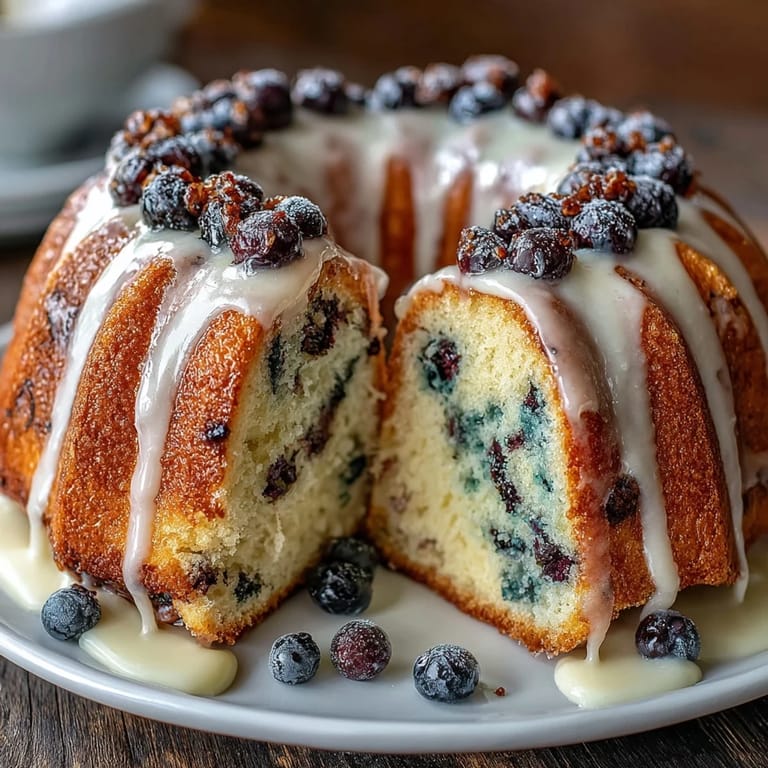
- Crown your cake with fresh blueberries, lemon zest curls shaved with a microplane, and edible flowers if you have them. Step back and admire what you've made.
 Pin
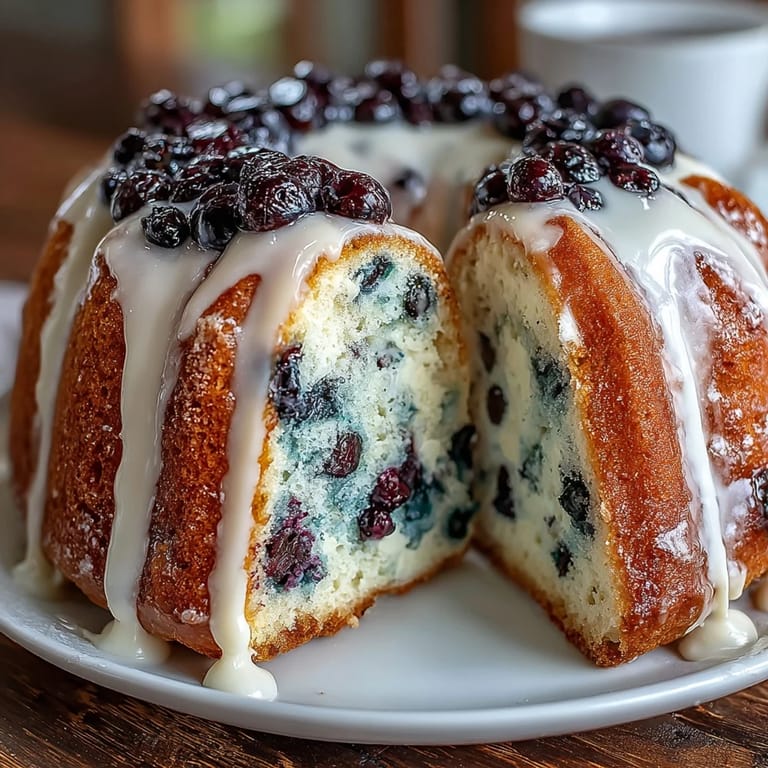
Pin When my sister took her first bite at her brunch party, surrounded by friends, the light caught her eyes and she just closed them for a moment. Later she told me the lemon hit first, then the sweetness, then the surprise of a burst blueberry—and that combination made her feel like spring had just arrived on her plate. That's when I understood this cake was more than just layers and frosting; it was a moment somebody would remember.
The Secret to a Moist, Tender Cake
The milk in this recipe isn't just filler—it's what keeps the crumb tender and almost delicate, even after a day or two of storage. I discovered this by accident when I once tried to reduce the milk to make the batter thicker, and the result was a drier cake that tasted like I was eating foam. The ratio of milk to flour in this recipe was perfected over years of other people's trials and errors, and I'm grateful I didn't have to repeat those mistakes myself.
Why Fresh Lemon Matters Here
Bottled lemon juice sits in processing facilities and loses its brightness, leaving behind a flat, slightly bitter flavor that's nothing like what you get from squeezing a real lemon. When I switched to fresh zest and juice, the whole cake transformed—it went from pleasant to vivid, from nice to memorable. The zest especially carries essential oils that give the cake its unique lemon character and can't be replicated any other way.
Timing and Storage Tips
You can bake these layers up to a day ahead, wrap them tightly once they're completely cool, and assemble everything the day of serving. This flexibility has saved me countless times when I wanted to make a special cake but didn't have a full day to dedicate to baking and frosting. The finished cake actually tastes better on day two, once the flavors have melded together and the frosting has set.
- Brush each cooled cake layer with a simple lemon syrup (equal parts sugar and lemon juice, warmed together) before frosting for extra lemony intensity.
- Store your finished cake in the refrigerator covered loosely, and it will stay beautiful and fresh for three days.
- Let the cake sit at room temperature for about 30 minutes before serving so the frosting softens and the flavors open up.
 Pin
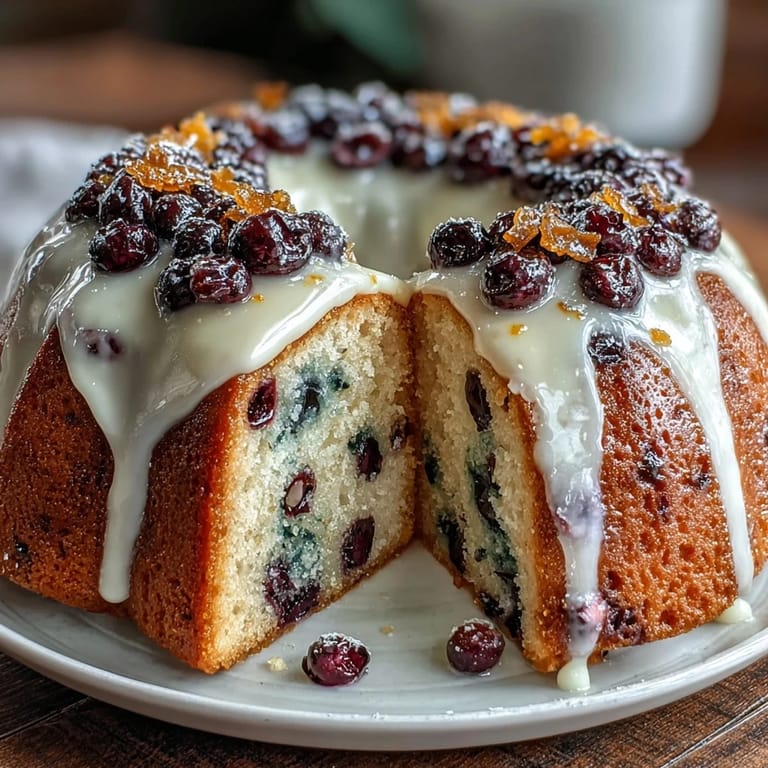
Pin This cake has become my birthday cake, the one I reach for when I want to say something special with dessert. Make it once and you'll understand why.
Recipe Q&A
- → How do I prevent the blueberries from sinking in the batter?
Toss the blueberries lightly in flour before folding into the batter; this helps them stay suspended during baking.
- → Can I make the cake layers ahead of time?
Yes, bake the layers a day in advance, then wrap tightly and store at room temperature until assembling and frosting.
- → What is the best way to enhance the lemon flavor?
Brush a simple lemon syrup on the cake layers before frosting to intensify the citrus aroma and moisture.
- → What tools are needed to prepare this cake?
You will need round cake pans, an electric mixer, mixing bowls, a whisk, rubber spatula, wire racks, and a zester or microplane.
- → Is the frosting difficult to prepare?
The frosting is straightforward: beat softened cream cheese and butter until smooth, then incorporate powdered sugar, lemon juice, vanilla, and a pinch of salt.