 Pin
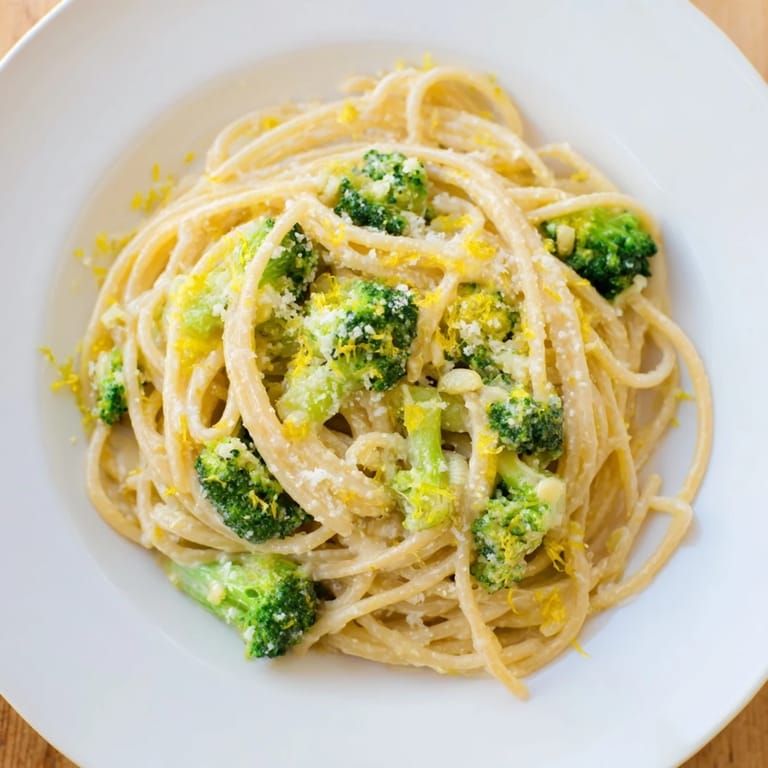
Pin The first time I made this pasta, it was a Tuesday evening and I had zero energy for doing dishes. I tossed everything in one pot, expecting a mediocre dinner at best. But when that lemon hit the hot pasta and the starch turned the liquid into this velvety sauce, my kitchen smelled like an Italian grandmother had been cooking there for hours. Now it is my go-to when I want comfort food without the cleanup mountain afterward.
Last spring my sister came over for dinner, exhausted from a new job, and I made this for us. She kept asking what restaurant I ordered it from. When I told her it took twenty minutes and used one pot, she literally wrote down the recipe on a napkin right there at the table. That is how I knew this wasnt just dinner—it was the kind of meal that makes people feel taken care of.
Ingredients
- Dried spaghetti or linguine: Long pasta catches the sauce beautifully, but the shape matters less than you might think—any pasta in your pantry will work
- Broccoli florets: Cut them uniform so they cook evenly alongside the pasta, becoming tender but not mushy
- Garlic, thinly sliced: Slicing instead of mincing gives you milder sweetness and prevents burning while sautéing
- Vegetable broth: This becomes the base of your sauce, so use one you actually enjoy drinking on its own
- Whole milk: The milk proteins create creaminess without the heaviness of cream—plant milk works too if that is your preference
- Lemon: Both zest and juice are essential here, zest brings aromatic brightness while juice provides acid balance
- Freshly grated Parmesan: Pre-grated has anti-caking agents that prevent smooth melting, so grate it yourself for the best texture
- Olive oil: A fruity extra virgin adds depth that regular olive oil simply cannot provide
- Red pepper flakes: Optional, but that gentle heat creates a beautiful contrast to the citrus
Tired of Takeout? 🥡
Get 10 meals you can make faster than delivery arrives. Seriously.
One email. No spam. Unsubscribe anytime.
Instructions
- Build your flavor foundation:
- Heat the olive oil in your widest pot over medium heat, add the sliced garlic and let it sizzle gently until it smells incredible and looks translucent, about two minutes
- Combine everything and bring to a boil:
- Add the dry pasta, broccoli pieces, broth, and milk all at once, give it a good stir, and let it come to a rolling boil together
- Simmer into sauce:
- Reduce to a gentle simmer and cook uncovered, stirring frequently so nothing sticks, until the pasta is perfectly cooked and the liquid has reduced to a glossy coating, about ten to twelve minutes
- Wake up the flavors:
- Remove from heat and stir in the lemon zest, juice, Parmesan, salt, pepper, and red pepper flakes, letting everything melt together into silkiness
- Let it rest and serve:
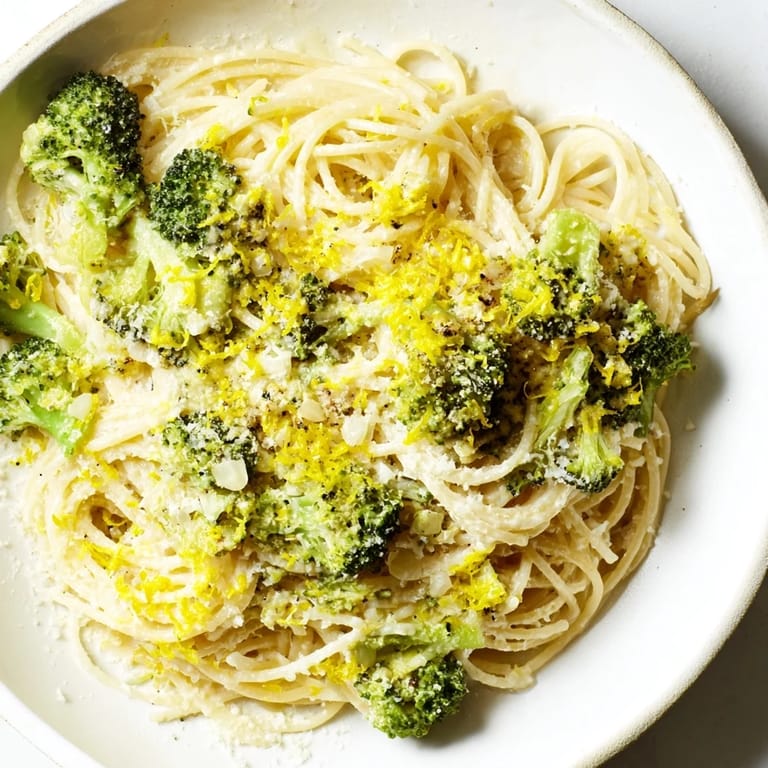
- Give it two or three minutes off the heat so the sauce thickens slightly, then serve immediately with extra Parmesan and maybe some torn fresh herbs
 Pin
Pin This pasta has become my default request dish from friends who claim they cannot cook. Something about the method feels like magic, watching plain broth transform into restaurant-worthy sauce. Last month I taught my twelve-year-old neighbor to make it, and now she cooks it for her family every Friday. That is the kind of recipe this is—one that gives people confidence in the kitchen.
Making It Your Own
The beauty of this dish lies in its adaptability through the seasons. In spring, swap the broccoli for asparagus or peas. Summer brings zucchini and cherry tomatoes that burst into the sauce. Fall calls for cauliflower or cubes of butternut squash. The method stays exactly the same—just adjust cooking time for denser vegetables.
Perfecting the Sauce Consistency
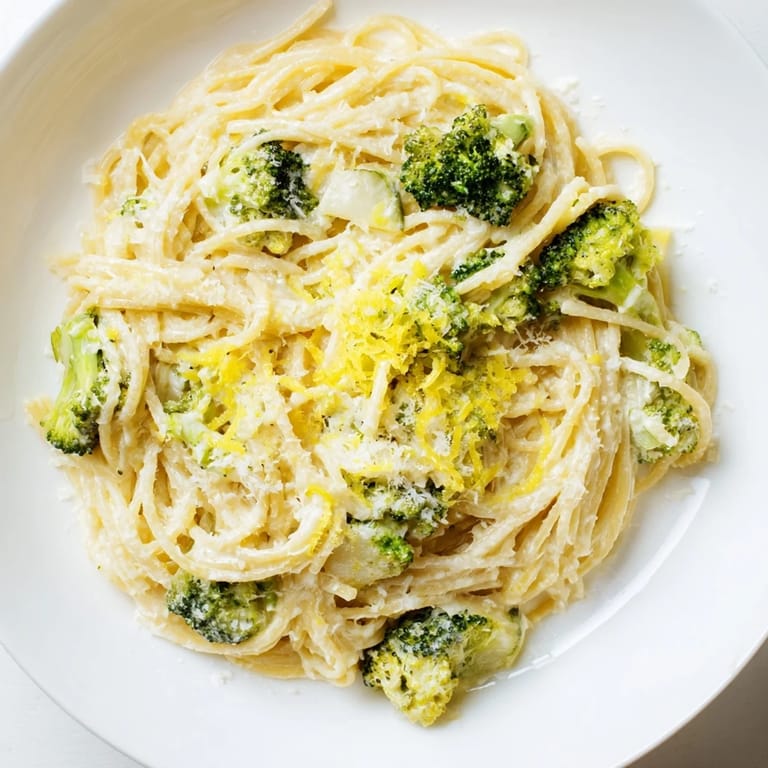
If your sauce feels too thin, let it simmer another minute or two and it will thicken as it stands. Too thick? Splash in a little more broth or pasta water until it loosens up. The starch from the pasta is doing the heavy lifting here, creating that emulsified texture that typically takes butter and flour to achieve. It is kitchen science in the most delicious way possible.
Serving Suggestions and Pairings
A crisp white wine like Pinot Grigio cuts through the creaminess beautifully. For a complete meal, serve with a simple green salad dressed with vinaigrette—the acidity balances the rich pasta. Crusty bread is almost mandatory for catching every last drop of that lemony sauce at the bottom of the bowl.
- Grate extra lemon zest over each bowl right before serving for an aromatic finish
- Keep some pasta water handy in case you need to loosen the sauce at the very end
- This pasta reheats surprisingly well, just add a splash of water when warming it up
 Pin
Pin Some nights the best meals are the ones that come together simply, leaving you time to actually enjoy them. This pasta is exactly that.
Recipe Q&A
- → Can I make this dish gluten-free?
Yes, simply substitute regular pasta with gluten-free pasta. The cooking time may vary slightly, so check the package instructions and adjust as needed. The rest of the ingredients are naturally gluten-free.
- → How can I make this vegan?
Use plant-based milk (such as oat or almond milk) instead of dairy milk, and replace Parmesan with vegan Parmesan or nutritional yeast. The lemon and garlic flavors remain just as vibrant and delicious.
- → What pasta shapes work best?
Spaghetti, linguine, fettuccine, or pappardelle all work wonderfully. Longer, thinner pasta shapes allow the silky sauce to coat each strand beautifully. Avoid small pasta shapes as they may overcook during the one-pot cooking method.
- → Can I add protein to this dish?
Absolutely. Cooked chickpeas, white beans, or lentils add heartiness and protein. For a non-vegetarian option, crispy pancetta, diced chicken, or shrimp work excellently. Add protein in the final minutes of cooking.
- → What should I do if the sauce is too thin or too thick?
If too thin, simmer uncovered for a few more minutes to reduce liquid. If too thick, stir in a splash of vegetable broth or pasta water to reach desired consistency. The sauce will continue to thicken slightly as it sits.
- → Can I prepare this ahead of time?
This dish is best enjoyed fresh. However, you can prep ingredients in advance by chopping garlic, broccoli, and measuring liquids. Store separately and cook when ready. Leftovers keep refrigerated for 2–3 days; reheat gently with added broth.