 Pin
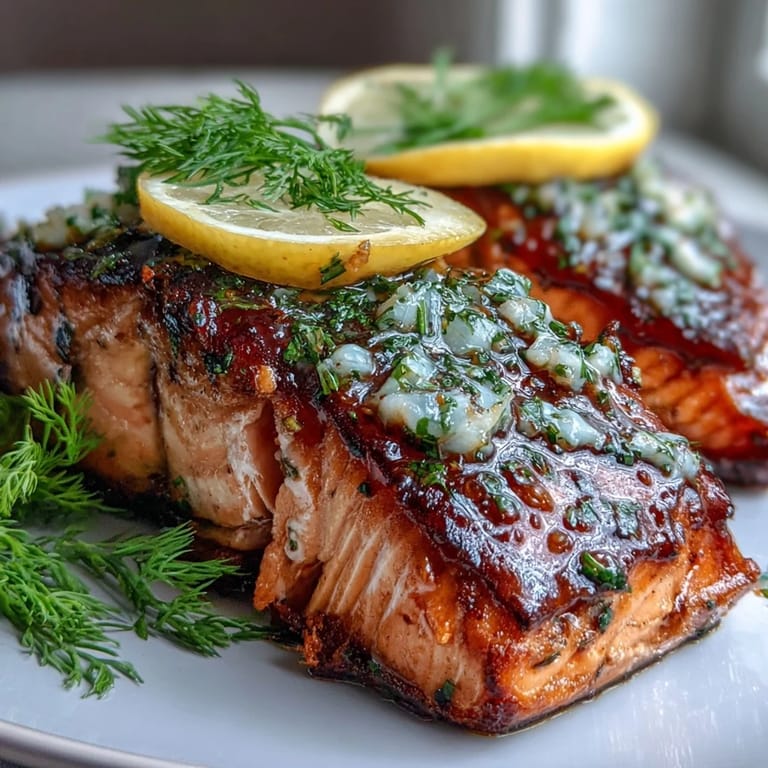
Pin The aroma that filled my apartment the first time I roasted salmon and asparagus together on a tray was pure sunshine—zesty lemon, sharp dill, and that hint of sea air from the fish itself. I hadn't planned on feeling so cheerful after such a simple act, but opening the oven and seeing the glossy fillet ringed by bright green asparagus felt like landing a small celebration right on the kitchen counter. These quick, vibrant one-pan meals have a knack for resetting my week in the best way. There's something about the sizzle of olive oil and the snap of fresh asparagus that just makes the whole space come alive. Even on busy nights, this is a dish that brings a smile.
I made this salmon dish for a friend last spring when the air was crisp and everyone was craving something light but still comforting. We laughed about how 'herb-forward' I’d gone with the dill, but after the first bite, neither of us would have changed a thing. Watching her reach for seconds while we caught up around the kitchen island is a memory I pull out whenever I need a weeknight dinner win. Cooking it that evening, music playing and asparagus snapping under the knife, felt like one of those perfectly ordinary but unforgettable nights.
Ingredients
- Salmon fillet (skin-on): Using a single, center-cut fillet ensures juicy meat and helps the fish stay together while roasting, plus the skin gives a gorgeous crispness if you want to eat it.
- Olive oil: Choose a fruity extra-virgin if you can, as it gives the marinade a peppery richness and helps the fillet stay moist in the oven.
- Sea salt: I grind mine right before using for better flavor bloom, but any flaky salt will work for seasoning both fish and vegetables evenly.
- Black pepper: Freshly cracked pepper brings a gentle heat that brightens up the whole dish, so don't skip a generous twist or two.
- Garlic: Mincing it fine releases its full aroma, which gently perfumes both the marinade and your kitchen as everything roasts together.
- Lemon (zest & juice): The zest adds floral notes while the juice brings all the ingredients into balance—use a microplane and squeeze every last drop.
- Fresh dill: I chop a bit extra for garnish at the end; its delicate flavor makes the salmon sing and brings a taste of spring to the plate.
- Asparagus: Trimming the woody ends is key for tenderness, and slightly thinner spears will cook more evenly and stay bright.
- Lemon slices (for garnish): Layering them on top infuses even more citrus into the salmon as it cooks and makes the dish look extra inviting on the table.
- Extra dill (for garnish): Just a final sprinkle wakes up flavors and makes the whole tray look even more vibrant.
Tired of Takeout? 🥡
Get 10 meals you can make faster than delivery arrives. Seriously.
One email. No spam. Unsubscribe anytime.
Instructions
- Set the oven and prep your tray:
- Switch your oven to 400°F and line a sturdy baking tray with parchment or foil so nothing sticks and clean-up is a breeze.
- Mix the marinade:
- Whisk olive oil, garlic, lemon zest, lemon juice, dill, salt, and pepper in a small bowl until fragrant; it should smell bright and herby.
- Dry and position the salmon:
- Lay the fillet skin-side down on the tray and blot it dry—this helps the marinade stick and the edges get slightly crisp.
- Brush on the flavor:
- Use a spoon or pastry brush to coat the salmon thickly with the lemon-dill mixture, making sure every nook gets attention.
- Add and season the asparagus:
- Scatter asparagus spears around the fish, toss them lightly in olive oil, and season everything with more salt and pepper.
- Top with lemon slices:
- Lay thin lemon rounds over the salmon; they’ll roast and almost candy, adding bursts of tartness.
- Roast to perfection:
- Slide the tray into the oven and bake for 18–20 minutes, checking that the salmon flakes easily and asparagus feels just fork-tender.
- Finish and serve:
- Straight from the oven, scatter with a pinch of extra dill, plate up quickly, and enjoy while everything’s bright and fresh.
 Pin
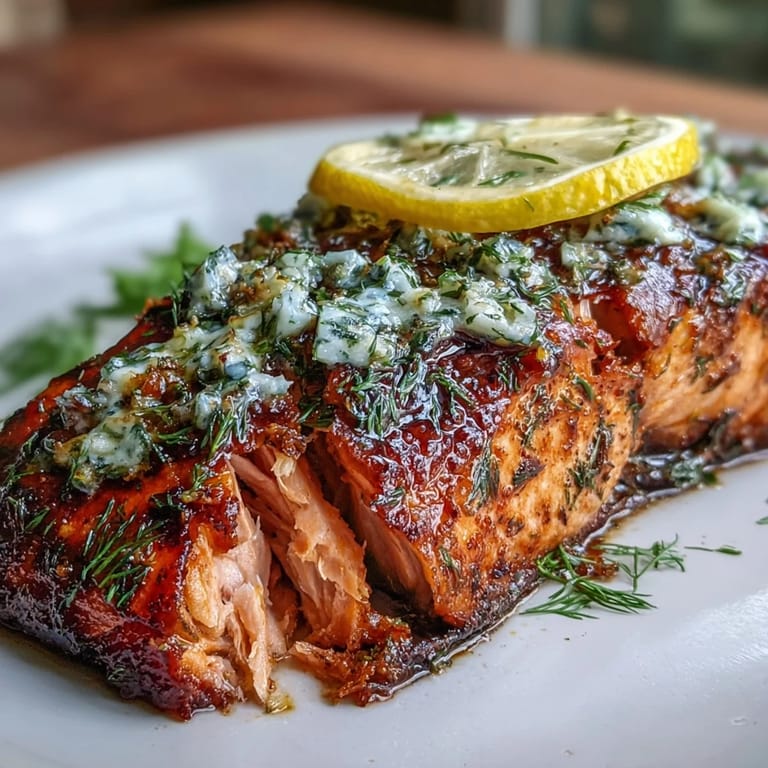
Pin This dish managed to surprise me on a random Tuesday when I was sure nothing could perk up my mood after work. Sharing those bright, lemony bites with a side of easy laughter quickly turned dinner into a moment worth remembering—it’s wild how the simplest meal can create that.
Changing Up Your Add-Ins
Sometimes I stir a handful of halved cherry tomatoes or scatter slivers of red onion into the mix before roasting. Both add color and a juicy sweetness that plays so well with the tangy lemon and mellow salmon. Don’t be afraid to improvise—this recipe invites little touches that match your mood or what’s fresh at the market. Even swapping dill for tarragon or parsley can give the whole dish a new twist.
Making the Most of Salmon
Buying a center-cut fillet pays off by keeping the salmon moist during roasting, and leaving the skin on helps protect the fish from drying out too quickly. Patting the fillet dry with towels before adding the marinade will always help the flavors set in—and if you want extra crispness, you can broil for the last minute or two, but watch carefully.
Serving & Pairing Ideas
When I serve this, I like piling everything onto a big platter—garnished with fresh herbs and maybe a few extra lemon wedges for good measure. Fresh salad, roasted potatoes, or simple quinoa all make happy sides, and a cold glass of white wine like Sauvignon Blanc takes it over the top.
- Don’t skip the garnish, it pulls all the flavors together.
- If you want leftovers, flake the salmon into a salad for lunch.
- Keep an eye on the oven—salmon can go from perfect to overdone fast.
 Pin
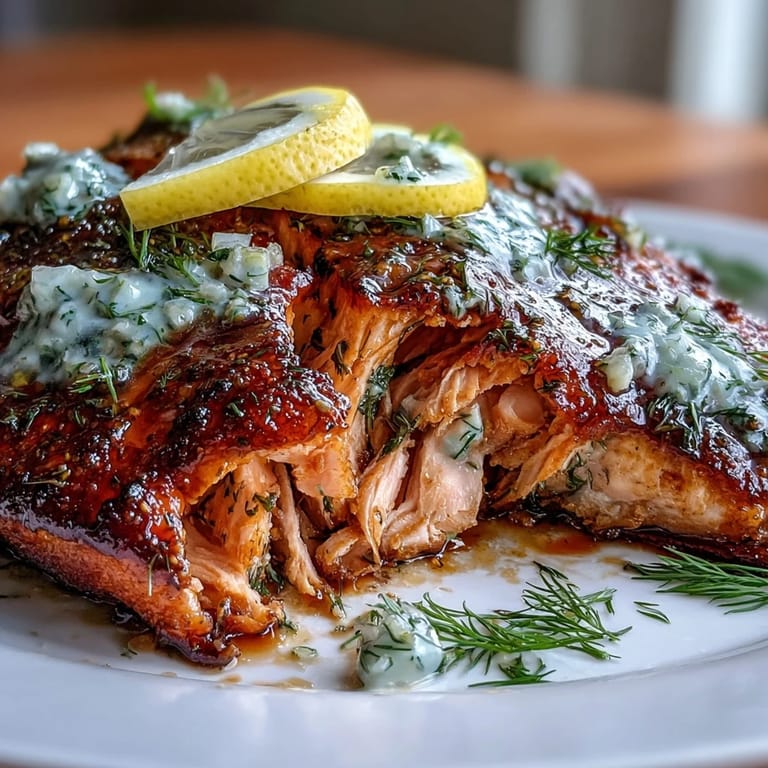
Pin This tray bake is proof that weeknight dinners can be effortless and honestly delicious. Hope it brings some brightness and ease to your table, just like it has to mine.
Recipe Q&A
- → Can I use salmon portions instead of a whole fillet?
Yes. Individual portions cook faster—check after 10-12 minutes depending on thickness. Remove when they flake easily with a fork to avoid drying out.
- → How can I tell when the salmon is done?
Look for opaque flesh that flakes easily with a fork. For a moist finish, aim for an internal temperature around 125-130°F for medium; carryover heat will finish it while resting.
- → What herbs can I substitute for dill?
Fresh parsley or tarragon are great alternatives. Lemon zest and a touch of chives also brighten the fish while keeping the profile light and herbaceous.
- → Can I swap the asparagus for other vegetables?
Yes. Cherry tomatoes, thinly sliced red onions, green beans or baby potatoes work well; adjust roasting time so all components finish together.
- → How do I prevent the salmon from drying out?
Keep the skin on during roasting, brush the fillet with olive oil and lemon mixture, and avoid overcooking—remove as soon as it flakes easily.
- → How should leftovers be stored and reheated?
Refrigerate in an airtight container for up to 2 days. Reheat gently in a low oven (about 300°F) or briefly in a skillet to retain moisture; dress with fresh lemon and herbs before serving.