 Pin
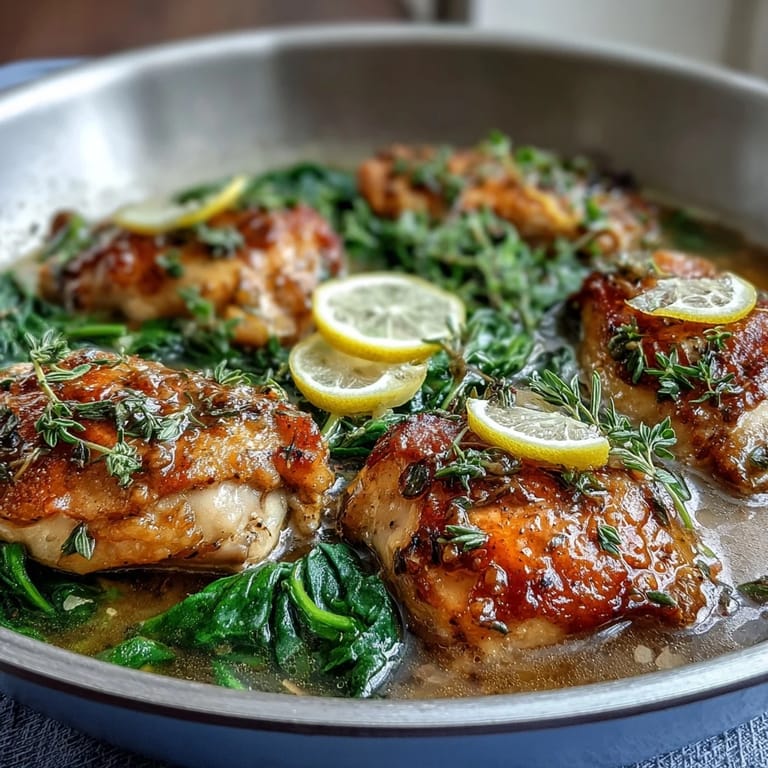
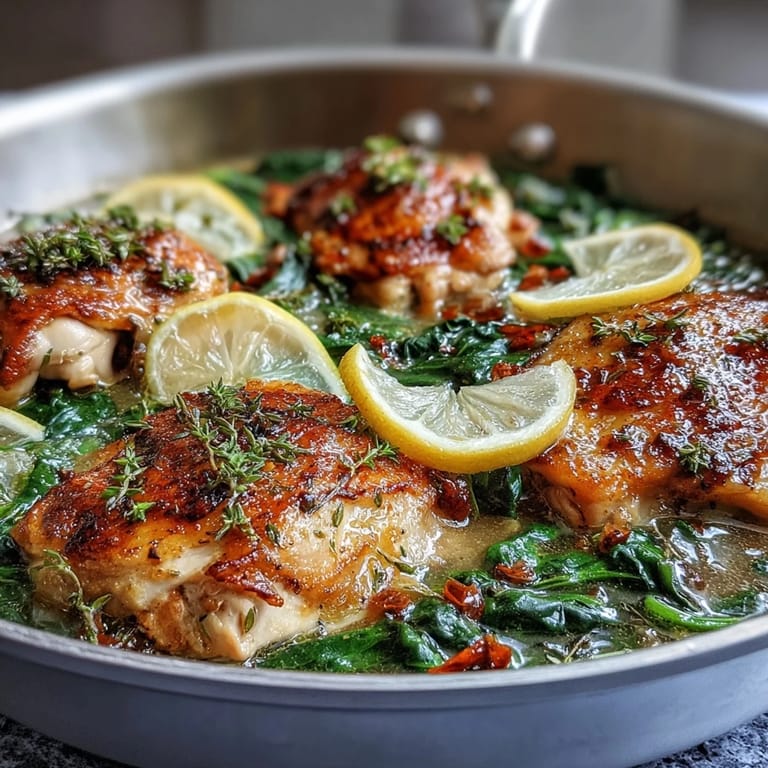
Pin Last spring, I was rushing through the grocery store at dusk when I spotted a bunch of fresh lemons so bright they practically glowed under the fluorescent lights. Something about their color made me want to cook with them that night, and I ended up combining them with chicken and orzo in a way that felt almost accidental—but somehow it became one of those dishes I keep coming back to. The beauty of this one-pot meal is how it feels elegant without demanding much from you, and how the lemon transforms something simple into something that tastes like sunshine.
I made this for my sister on a weeknight when she dropped by unannounced, and I had maybe twenty minutes before she arrived. The smell of garlic and orzo toasting in the pot filled my entire kitchen in the best way, and when I stirred in that bright lemon juice at the end, she actually closed her eyes and said it smelled like spring. That's when I realized this dish had become something I reach for when I want to feel like I'm cooking something thoughtful, even on days when I'm running on fumes.
Ingredients
- Chicken breasts or thighs: Thighs stay more tender if you're not watching the clock perfectly, but breasts work beautifully if you cut them into generous bite-sized pieces so they don't dry out.
- Orzo pasta: This rice-shaped pasta absorbs the broth like a sponge and becomes creamy without any actual cream, which is the real magic here.
- Fresh baby spinach: It wilts down to almost nothing, so don't be shy with the amount—buy a big handful.
- Yellow onion: The sweetness balances the brightness of the lemon and creates a gentle base flavor that holds everything together.
- Garlic: Just two cloves, minced fine so they distribute their flavor evenly rather than hitting you with loud chunks.
- Lemon: Both zest and juice matter—the zest adds floral notes while the juice brings actual pucker.
- Low-sodium chicken broth: You control the salt this way, and the broth becomes part of the cooking liquid that the orzo drinks up.
- Olive oil: Good quality makes a real difference here since it's not hidden by cream or butter.
- Parmesan cheese: Optional, but it adds a salty, umami depth that makes people ask for the recipe.
- Dried oregano: Don't skip it—oregano and lemon are meant to be together, especially in Mediterranean cooking.
- Salt, black pepper, and red pepper flakes: Layer your seasoning as you go, and save the red flakes for people who want heat.
Tired of Takeout? 🥡
Get 10 meals you can make faster than delivery arrives. Seriously.
One email. No spam. Unsubscribe anytime.
Instructions
- Sear the chicken until golden:
- Heat your olive oil over medium-high heat until it shimmers, then add the chicken pieces in a single layer. Let them sit for a minute without stirring so they get a golden crust, which locks in flavor—this takes about five to six minutes total. Season with salt and pepper as they cook, and you'll know they're done when a piece flakes apart easily.
- Build your flavor base:
- Remove the chicken to a plate and add the chopped onion to the same pot, letting it soften for a couple minutes until it becomes translucent. Stir in the minced garlic and wait thirty seconds for that sweet, pungent smell to fill your kitchen—that's your signal to move forward before it burns.
- Toast the orzo:
- Add the uncooked orzo directly to the pot with the oregano and stir constantly for about a minute, coating every grain in the oil and aromatics. This step toasts the pasta slightly and makes it taste deeper and more flavorful than if you skipped it.
- Simmer everything together:
- Pour in the chicken broth and bring it to a gentle boil, then lower the heat to medium-low and let it simmer quietly for ten to twelve minutes, stirring occasionally so the orzo doesn't stick to the bottom. You'll watch it transform from soupy to creamy as the pasta releases its starch and absorbs the liquid.
- Finish with brightness and greens:
- Return the chicken to the pot along with the spinach, lemon zest, and lemon juice, stirring until the spinach collapses into the warm mixture. Taste it now—this is when you decide if it needs more salt, pepper, or a squeeze of extra lemon juice.
- Add creaminess if you'd like:
- Stir in the Parmesan cheese if you're using it, which adds a subtle richness, or leave it out for a dairy-free version that's just as lovely. Serve it hot, maybe with a little extra lemon zest scattered on top for people who love that flavor.
 Pin
Pin There was a moment when my neighbor tasted this and said it reminded her of a restaurant meal she'd had in Greece, and I realized that simple ingredients treated with care can transport people somewhere else. That's when cooking stops being just about filling your stomach and becomes about creating a moment worth remembering.
Why This Dish Feels Like Spring
Lemon has this ability to make you feel like it's warm and sunny outside, even if you're cooking in the middle of winter. The combination of bright citrus with tender chicken and wilted greens feels lighter than heavy cream-based pasta dishes, but it's still filling enough that you don't need much else. When you eat it, you're not just tasting food—you're tasting a mood, a season, a feeling of renewal.
How to Make It Your Own
This recipe is flexible enough that you can play with it based on what you have or what sounds good. Baby kale works beautifully if you prefer something with more bite than spinach, and arugula adds a peppery note that's unexpected and delicious. I've also thrown in sun-dried tomatoes when I was feeling fancy, or artichoke hearts when someone in my life couldn't eat certain vegetables—the orzo carries any flavor you want to add because it's so absorbent.
Serving Suggestions and Pairings
This dish stands completely on its own, but if you want to serve it alongside something, a simple green salad with a sharp vinaigrette cuts through the richness in the best way. The lemon already makes you think of wine, so a crisp Sauvignon Blanc or Pinot Grigio feels natural if you're in the mood to sip something while you cook. If you're feeding people who want bread, toasted slices rubbed with garlic and olive oil make sense for soaking up every bit of the broth, and a light dessert afterward—something with berries or more lemon—keeps the whole meal feeling balanced and bright.
- Make it ahead by cooking everything except the spinach and lemon juice, then finish it just before serving so the greens stay fresh and the lemon flavor doesn't become muted.
- If you have leftovers, they actually taste good cold the next day as a kind of pasta salad, though you might want to add a tiny bit more lemon juice since flavors fade as it sits.
- Double the recipe easily if you're feeding more people—just use a larger pot and give the orzo a little extra time to absorb all the broth.
 Pin
Pin This one-pot meal has become my answer to the question of what to cook when I want something that feels nourishing and bright. Every time I make it, I'm grateful for how straightforward it is, and how something so simple can taste like you spent all day in the kitchen.
Recipe Q&A
- → Can I use different greens instead of spinach?
Yes, baby kale or arugula are great alternatives that add slightly different textures and flavors but maintain the dish's freshness.
- → How do I make this dairy-free?
Simply omit the Parmesan cheese or substitute it with a plant-based alternative to keep it dairy-free without sacrificing creaminess.
- → What type of chicken works best?
Boneless, skinless chicken breasts or thighs cut into bite-sized pieces cook evenly and absorb the dish’s flavors well.
- → Can I prepare this ahead of time?
Yes, you can cook it in advance and gently reheat. Add fresh spinach and lemon juice upon reheating to refresh flavors.
- → What wine pairs well with this dish?
A crisp white such as Sauvignon Blanc or Pinot Grigio complements the lemony brightness and tender chicken nicely.
- → Is orzo required or can I substitute another grain?
While orzo is traditional, small pasta shapes or quick-cooking grains like couscous can work as substitutes with slight texture differences.