 Pin
Pin My grandmother used to make candied yams every Thanksgiving, and the smell of cinnamon and butter would drift through her kitchen hours before we sat down to eat. Years later, I realized she'd mastered the art of caramelization in a skillet—no marshmallows, no fuss, just yams coated in a glossy brown sugar syrup that tasted like autumn itself. When I finally asked her for the recipe, she laughed and said it was mostly intuition and patience. Now when I make this dish, I understand exactly what she meant.
I made this for a potluck once where someone had mentioned being intimidated by sweet potato dishes, and when they came back for seconds without saying a word, I knew the recipe was worth holding onto. There's something about serving food from a skillet straight to the table that makes people feel cared for in a way plated sides sometimes don't.
Ingredients
- 3 large yams (about 2 lbs), peeled and cut into 1/2-inch thick rounds: Uniform thickness is your secret weapon here because it means every slice cooks at the same pace, no undercooked centers or overcooked edges.
- 1 cup packed light brown sugar: Pack it into the measuring cup like you mean it—this is what creates the syrup's body and that subtle molasses depth.
- 6 tbsp unsalted butter: The unsalted part matters because you're controlling the salt separately, giving you precision over flavor.
- 1/4 cup water: This helps the sugar dissolve smoothly and keeps the syrup from seizing up on you.
- 1/2 tsp ground cinnamon: Fresh from the container if possible, because old spices fade and this dish depends on that warmth.
- 1/4 tsp ground nutmeg: A smaller amount than cinnamon, but it's the nutmeg that makes people pause and ask what that flavor is.
- 1/2 tsp salt: This amplifies everything else and keeps the sweetness from becoming cloying.
- 1 tsp pure vanilla extract: Real vanilla, not the imitation stuff—it adds a subtle richness that ties the whole dish together at the end.
- 1/4 cup chopped pecans (optional): If you use them, toast them lightly first so they contribute crunch and flavor rather than just sitting there.
Tired of Takeout? 🥡
Get 10 meals you can make faster than delivery arrives. Seriously.
One email. No spam. Unsubscribe anytime.
Instructions
- Melt your butter and build the syrup base:
- Set your skillet over medium heat and let the butter melt slowly—you want it foaming slightly but not browning. Once it's ready, add the brown sugar, water, cinnamon, nutmeg, and salt, then stir constantly until the sugar dissolves completely and the mixture begins to bubble gently.
- Arrange the yams and coat them:
- Lay your yam slices in the skillet in a single layer (overlap slightly if needed) and turn each piece so both sides get coated in that gorgeous syrup. You're not cooking them yet, just making sure they'll absorb flavor evenly.
- Cover and let them soften:
- Reduce heat to medium-low, cover the skillet, and let the yams cook for about 20 minutes. Every few minutes, give the pan a gentle shake or stir the yams carefully so they cook through without falling apart.
- Uncover and caramelize:
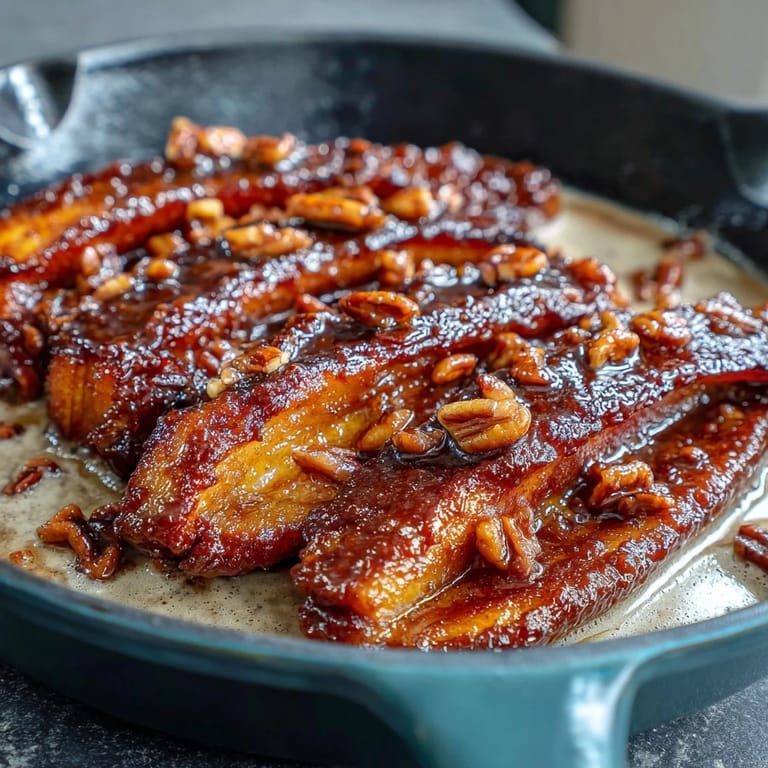
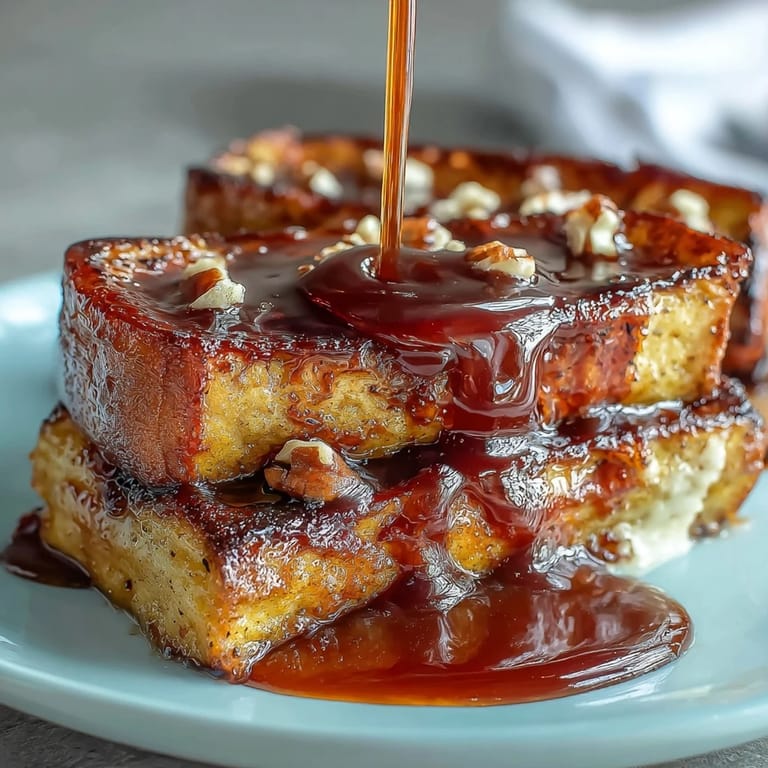
- Once the yams are nearly tender, remove the lid and bump the heat back to medium. Spoon the syrup over the yams repeatedly for the next 10-15 minutes—this is where the magic happens as the sauce reduces, thickens, and takes on a glossy, almost lacquered appearance. You'll know it's ready when a spoon dragged through the syrup leaves a brief trail.
- Finish with vanilla and serve:
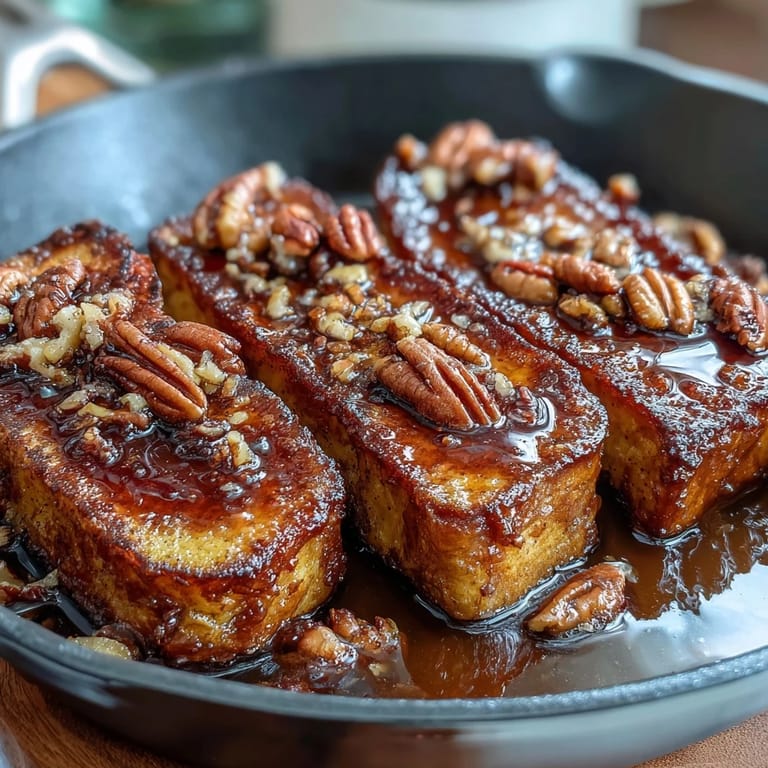
- Remove from heat and stir in the vanilla extract, letting it warm through for just a moment. Transfer to a serving dish or bring the skillet straight to the table and top with toasted pecans if you're using them.
 Pin
Pin There was a moment last year when my nephew, who's usually skeptical about anything remotely "healthy-sounding," asked for a third helping of these yams and admitted he'd been wrong about sweet potatoes his whole life. That's when I realized this recipe transcends the category of side dish and becomes something that changes minds.
Why This Skillet Method Works Better
Baking yams in the oven is fine, but cooking them in a skillet on the stovetop gives you direct control over the sauce consistency and allows the bottom layer to caramelize against the hot metal. You can see what's happening, adjust the heat in real-time, and create that glossy, reduced syrup that's basically liquid gold. The skillet also means you can bring it straight to the table, which makes the dish feel more special and intentional.
Customizing the Spice Profile
While cinnamon and nutmeg are classic, this recipe is flexible enough to handle slight variations depending on your mood or what you have on hand. A pinch of ground ginger adds brightness and a subtle heat, while cloves bring an almost savory depth that makes people think about the flavors longer. Some people add a tiny bit of cayenne pepper for a whisper of spice that plays against the sweetness—it sounds weird until you try it and suddenly everything tastes more vivid.
Storage and Reheating Tips
This dish actually tastes better the next day because the yams have more time to absorb the syrup flavors, which is a rare gift from the cooking gods. Store leftovers in an airtight container in the refrigerator for up to four days, and when you're ready to eat them again, warm them gently in a skillet over low heat with a splash of water if the sauce seems too thick.
- Never microwave these yams because the uneven heating will make some pieces mushy while others stay firm.
- If you're making this ahead for a holiday meal, you can prepare the yams completely and reheat them in a 325-degree oven for about 15 minutes, covered with foil.
- The pecans should always be added just before serving so they stay crispy rather than absorbing moisture from the syrup.
 Pin
Pin This candied yam skillet has a way of becoming the dish people specifically ask for when you mention bringing something to dinner. It's humble enough to feel authentic and impressive enough to feel like love on a plate.
Recipe Q&A
- → Can I use other types of yams or sweet potatoes?
Yes, both yams and sweet potatoes work well. Choose firm varieties for best texture when cooking in the skillet.
- → How do I achieve a thick syrupy glaze?
Cook uncovered towards the end over medium heat to reduce liquid and thicken the syrup, stirring to coat yams evenly.
- → Can this dish be made vegan?
Substitute butter with plant-based alternatives to keep it vegan without compromising flavor.
- → What spices enhance the flavor of candied yams?
Cinnamon, nutmeg, and a touch of vanilla bring warmth and depth; optional ginger or cloves add extra warmth.
- → How should I store leftovers?
Cool completely and refrigerate in an airtight container for up to 3 days; reheat gently before serving.