 Pin
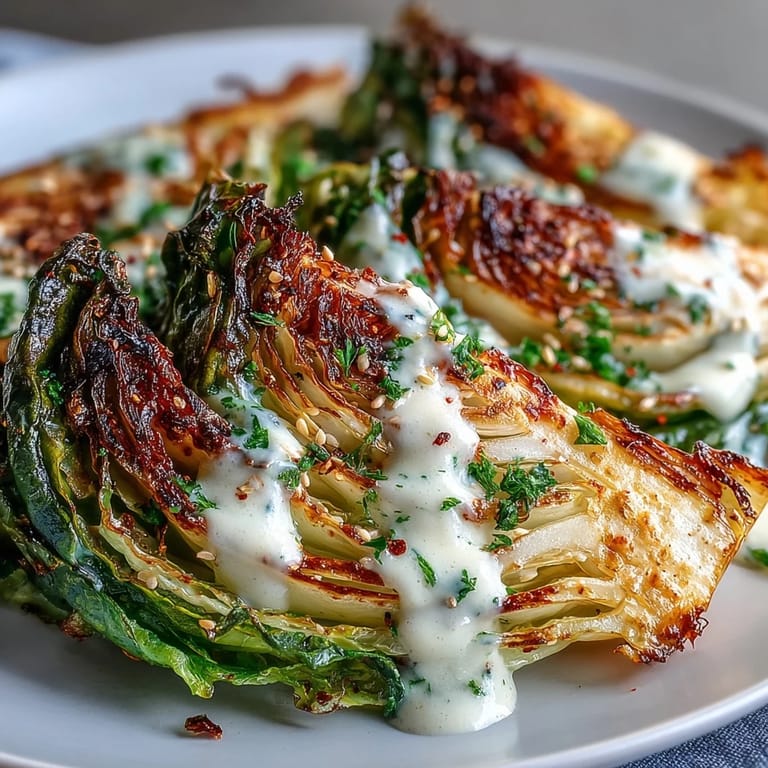
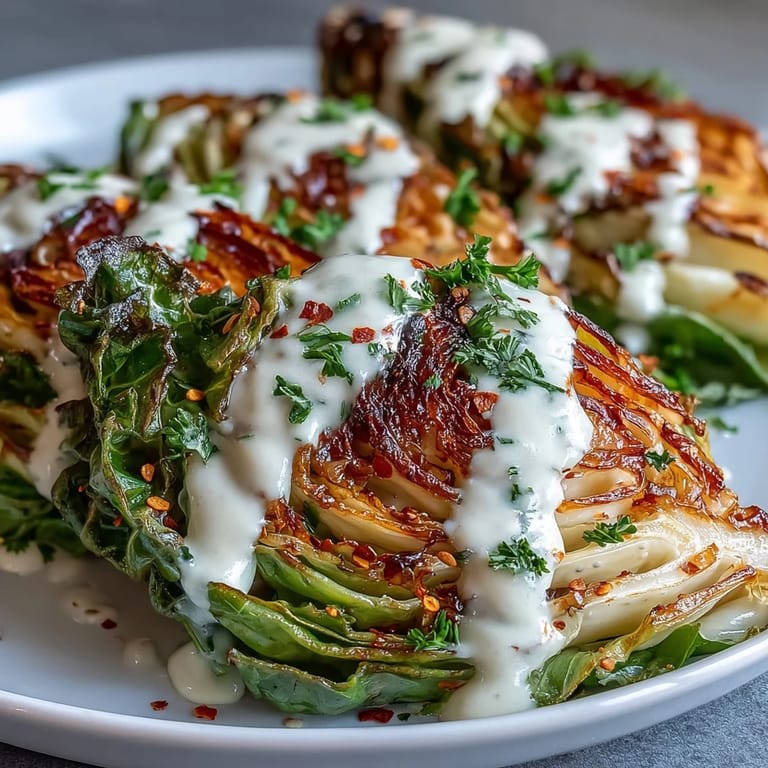
Pin There's something quietly magical about watching cabbage transform in the oven—those pale green wedges turning golden and crispy at the edges while staying impossibly tender inside. I discovered this dish by accident one Tuesday evening when I had a head of cabbage and absolutely nothing else that felt interesting, so I threw it in the oven with olive oil and hoped for the best. The tahini sauce came together almost as an afterthought, but once I drizzled it over those caramelized wedges, the whole thing became something I'd been craving without knowing it.
I served this to friends who were skeptical about roasted vegetables, and watching their faces when they tasted it was better than any compliment—they went back for seconds without asking what it was. Now when someone says they don't like cabbage, I just smile and know I have the answer.
Ingredients
- 1 medium green cabbage (about 2 lbs), cut into 8 wedges with core intact: Keep that core in because it holds everything together and gets wonderfully tender, almost sweet, as it roasts.
- 2 tbsp olive oil: Don't skimp here—good olive oil makes the difference between just roasted and genuinely delicious.
- 1/2 tsp kosher salt and 1/4 tsp freshly ground black pepper: Season generously before roasting so the flavors penetrate, not just sit on the surface.
- 1/3 cup tahini: Buy the good stuff, and stir it well before measuring because the sesame oil separates.
- 1 small garlic clove, finely grated: Microplane it so it dissolves into the sauce smoothly without little chunks.
- 2 tbsp fresh lemon juice: Fresh juice only—bottled doesn't give you that bright, cutting acidity the sauce needs.
- 2–4 tbsp cold water: Add it slowly; tahini sauce goes from perfect to broken faster than you'd think if you overdo the liquid.
- 1/4 tsp ground cumin: This small amount adds warmth without overwhelming, tying everything to that Middle Eastern feeling.
- Toasted sesame seeds, fresh parsley or cilantro, smoked paprika or Aleppo pepper for garnish: These final touches turn a good dish into one people remember.
Tired of Takeout? 🥡
Get 10 meals you can make faster than delivery arrives. Seriously.
One email. No spam. Unsubscribe anytime.
Instructions
- Heat your oven and prep:
- Get your oven to 425°F and line a baking sheet with parchment paper so nothing sticks and cleanup is effortless.
- Arrange and season the cabbage:
- Lay those wedges out with space between them, drizzle with olive oil, then season both sides with salt and pepper like you mean it. The seasoning is your only chance to flavor the cabbage directly.
- Roast until the magic happens:
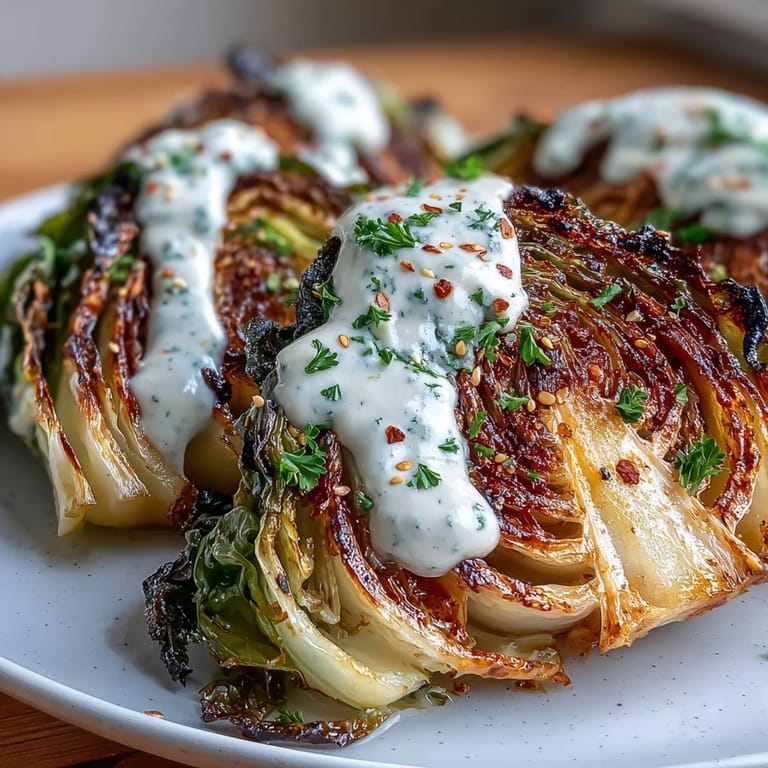
- Slide the sheet into the oven for 25–30 minutes, flipping halfway through so both sides get those caramelized, crispy edges. You'll know it's done when the outer leaves are deep golden and a fork slides through the tender flesh.
- Whisk the tahini sauce together:
- While the cabbage roasts, combine tahini, grated garlic, lemon juice, cumin, and salt in a bowl, whisking until combined. Then add cold water one tablespoon at a time, whisking after each addition until you reach a smooth, pourable consistency that coats a spoon.
- Bring it all together:
- Transfer your roasted cabbage to a serving platter and drizzle the tahini sauce generously over the top. The warmth of the cabbage will slightly thin the sauce, creating a silky coating.
- Finish with intention:
- Scatter toasted sesame seeds, fresh herbs, and a pinch of smoked paprika across everything, then serve warm or at room temperature—it's genuinely good either way.
 Pin
Pin My grandmother tasted this and asked me to make it again the very next week, which meant everything coming from someone who grew up on traditional cooking. That's when I knew this wasn't just a recipe—it was something that bridged old and new, simple and sophisticated, all on one plate.
The Truth About Roasting Vegetables
Roasting isn't magic, but it's as close as cooking gets—the Maillard reaction turns humble vegetables into something sweet and complex. Cabbage especially benefits from this treatment because its natural sugars caramelize, and the edges get almost crispy like they've been fried. The key is heat, time, and patience; you can't rush it, and honestly, why would you want to?
Tahini Sauce Mastery
Tahini sauce is one of those things that seems finicky until you understand what's happening—the sesame paste is thick and concentrated, so it needs an emulsion partner (lemon juice and water) to become silky and pourable. The garlic and cumin aren't optional flourishes; they're what transform a basic sauce into something with personality. Think of it as building blocks, not measurements, and you'll gain intuition for adjusting it every time you make it.
Make It Your Own
This dish is a canvas, not a rulebook, and some of my best versions came from improvisation in the moment. Red cabbage works beautifully and takes on a deeper, slightly earthier flavor; napa cabbage becomes delicate and sweet; even smaller wedges from a larger head create more crispy surface area. Serve it alongside rice or quinoa to soak up every drop of sauce, nestle it into warm pita bread, or top it with pomegranate seeds and toasted nuts for a completely different moment. The smoked paprika adds depth, but chili flakes bring fire, and neither choice is wrong—just different.
- Toast your sesame seeds yourself if you can; the aroma filling your kitchen is worth the five minutes.
- Make extra tahini sauce because you'll find yourself drizzling it on everything for days afterward.
- Leftover roasted cabbage is incredible cold the next day, straight from the fridge as an afternoon snack.
 Pin
Pin This has become one of those dishes I make when I want to feel like I'm cooking something impressive without the stress, and somehow it always lands. It's the kind of meal that reminds me why I love being in the kitchen in the first place.
Recipe Q&A
- → How do I know when the cabbage is done roasting?
The cabbage wedges are ready when the edges are deeply browned and crispy, while the inner layers feel tender when pierced with a fork. This typically takes 25–30 minutes at 425°F. Flipping halfway through ensures even cooking on both sides.
- → Can I make the tahini sauce ahead of time?
Yes, the tahini sauce keeps well in an airtight container in the refrigerator for up to a week. It may thicken when cold—simply whisk in a splash of water to return it to a pourable consistency before serving.
- → What other vegetables work well with this tahini sauce?
The tahini sauce pairs beautifully with roasted cauliflower, Brussels sprouts, sweet potatoes, or carrots. It also complements grilled eggplant, roasted broccoli, or even a warm grain bowl with chickpeas and roasted vegetables.
- → Why does my tahini sauce sometimes seize up?
Tahini sauce can temporarily thicken or seize when acidic ingredients like lemon juice are added. Continue whisking vigorously while gradually incorporating cold water, and the sauce will emulsify into a smooth, creamy consistency. Patience is key.
- → Can I use red cabbage instead of green?
Absolutely. Red cabbage works well and adds vibrant color, though it may require a few extra minutes of roasting to become fully tender. The earthy flavor profile complements the tahini sauce just as beautifully.